
 By
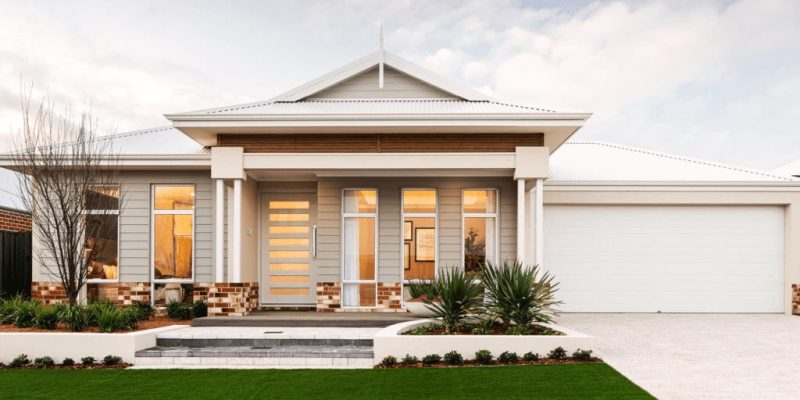
Creating a home that is both functional and aesthetically pleasing is an art that blends design, organization, and lifestyle choices. Your home is more than just a shelter; it is a reflection of your personality, comfort preferences, and lifestyle priorities. From choosing the right layout to incorporating modern design trends, every aspect of your home contributes to a living space that feels welcoming and tailored to your needs.
Understanding the Importance of a Well-Designed Home
A home serves multiple purposes. It is a sanctuary, a place for relaxation, a hub for family activities, and a space for personal expression. The way your home is organized and decorated affects not only the physical environment but also your mental well-being. A thoughtfully designed home can:
- Enhance Comfort: Proper layout and ergonomics ensure ease of movement and functional spaces.
- Boost Productivity: Dedicated areas for work or hobbies can create focus and efficiency.
- Improve Mental Health: Clutter-free and organized spaces reduce stress and promote calmness.
- Increase Property Value: Modern, well-maintained homes attract higher market value and buyer interest.
Key Elements of a Functional Home
Creating a functional home requires attention to several elements, from space planning to storage solutions.
Layout and Space Planning
Effective space planning ensures each area in your home serves its purpose efficiently. Open floor plans are popular for creating airy, connected spaces, while zoned layouts provide privacy and designated areas for work, leisure, and sleep. Key considerations include:
- Traffic Flow: Ensure pathways are unobstructed and easy to navigate.
- Multi-Purpose Spaces: Incorporate rooms that can adapt for different activities.
- Proportional Furniture: Choose furniture that fits the scale of each room.
Storage Solutions
Storage is a vital aspect of a functional home. Clutter-free spaces improve aesthetics and mental clarity. Strategies include:
- Built-In Storage: Maximize vertical space with shelves, cabinets, and closets.
- Hidden Storage: Use furniture with storage compartments, like ottomans and beds.
- Decluttering Routine: Regularly sort through items to maintain organized spaces.
Lighting
Proper lighting impacts both functionality and mood. Natural light is ideal for energy efficiency and health benefits, while layered artificial lighting enhances ambiance and usability. Consider:
- Ambient Lighting: General illumination for overall visibility.
- Task Lighting: Focused lights for activities such as reading or cooking.
- Accent Lighting: Highlights architectural features or artwork.
Modern Home Design Trends
Staying updated with design trends can keep your home stylish and appealing. Here are some popular trends influencing modern homes:
Minimalist Design
Minimalism emphasizes simplicity, clean lines, and functional furniture. The key is to focus on essential items, remove unnecessary clutter, and use neutral color palettes.
Smart Homes
Technology integration transforms traditional homes into smart homes, offering convenience, security, and energy efficiency. Features include:
- Smart thermostats for optimized energy use
- Automated lighting and security systems
- Voice-controlled devices for daily tasks
Sustainable Design
Eco-friendly homes prioritize sustainability in materials and energy use. This includes:
- Using recycled or low-impact building materials
- Energy-efficient appliances and insulation
- Incorporating indoor plants for air quality improvement
Open and Multi-Functional Spaces
Modern homes often feature open layouts and multi-functional spaces to accommodate changing lifestyle needs. These designs create flexible areas suitable for entertaining, working, or relaxing.
Enhancing Home Comfort
A comfortable home balances aesthetics with functionality. Small adjustments can significantly improve comfort:
- Ergonomic Furniture: Supports posture and reduces fatigue.
- Temperature Control: Effective HVAC systems and insulation maintain consistent comfort.
- Acoustic Considerations: Proper soundproofing enhances privacy and reduces noise stress.
- Indoor Air Quality: Ventilation and air purification systems contribute to a healthier environment.
Home Décor and Personalization
Decorating your home is an opportunity to express your personality. Incorporate elements that reflect your style while maintaining cohesion with the overall design. Ideas include:
- Color Schemes: Choose complementary colors for harmony and mood setting.
- Textures and Materials: Combine materials like wood, metal, and fabric for depth.
- Artwork and Accessories: Add personality through curated artwork, photographs, and decorative objects.
- Greenery: Indoor plants add vibrancy and improve air quality.
Outdoor Spaces and Landscaping
The exterior of your home is equally important in creating a holistic living experience. Well-designed outdoor spaces provide relaxation and recreation. Consider:
- Gardens and Lawns: Introduce greenery and seasonal flowers for visual appeal.
- Outdoor Seating: Comfortable furniture encourages use of patios or decks.
- Lighting: Pathway and ambient lighting enhance safety and ambiance.
- Sustainability: Use drought-resistant plants and efficient irrigation for eco-friendly landscaping.
Safety and Security
Home safety is a fundamental aspect of design. Security systems and precautionary measures protect residents and property. Recommendations include:
- Smart Security Systems: Cameras, alarms, and remote monitoring for peace of mind.
- Fire Safety: Install smoke detectors, fire extinguishers, and emergency exits.
- Childproofing and Elder-Friendly Features: Safety gates, non-slip flooring, and easy-access designs.
Maintaining a Beautiful Home
Maintaining your home’s beauty and functionality requires regular care. Key strategies include:
- Routine Cleaning: Daily upkeep prevents buildup of dirt and grime.
- Seasonal Maintenance: Inspect roofing, HVAC systems, and plumbing periodically.
- Repairs and Renovations: Address wear and tear promptly to preserve aesthetics and safety.
- Decluttering: Regularly organize and remove items no longer needed to maintain a serene environment.
Benefits of a Thoughtfully Designed Home
Investing in your home pays off in numerous ways:
- Emotional Well-Being: A calm, organized, and beautiful space enhances mental health.
- Social Enjoyment: Well-planned spaces encourage gatherings and shared experiences.
- Financial Value: Smart design and regular maintenance improve resale potential.
- Sustainability: Energy-efficient designs reduce environmental impact and long-term costs.
Conclusion
A home is more than a living space; it is a reflection of who you are and how you want to live. By thoughtfully considering layout, functionality, design trends, décor, and maintenance, you can create a home that is comfortable, stylish, and adaptable. Every decision—from lighting to furniture selection—contributes to an environment that promotes well-being, efficiency, and enjoyment. Embrace these strategies to transform your house into a haven that truly feels like home.
FAQ
1. How can I make a small home feel more spacious?
Use light colors, mirrors, multi-functional furniture, and open layouts to create the illusion of space while keeping the home organized and clutter-free.
2. What are the top eco-friendly upgrades for a home?
Install energy-efficient appliances, LED lighting, solar panels, water-saving fixtures, and use sustainable building materials for renovations.
3. How do I choose the right furniture for my home?
Consider the room’s size, purpose, and flow. Opt for furniture that is proportionate, functional, and matches your design style.
4. What are the benefits of smart home technology?
Smart homes offer convenience, security, energy efficiency, and control over lighting, heating, and devices from remote locations.
5. How often should I maintain or renovate my home?
Perform routine cleaning weekly, seasonal inspections quarterly, and renovations every few years depending on wear, trends, and lifestyle needs.
6. How can I create a cohesive interior design?
Choose a consistent color palette, complementing textures, and furniture styles that harmonize across rooms while allowing small personal touches.
7. What are the key elements to consider in outdoor home design?
Focus on functional seating, greenery, sustainable landscaping, proper lighting, and safety measures to enhance usability and aesthetics.








Comments