
 By

For gardeners and smallholders across the UK, interest in traditional cider varieties has grown steadily. Many people now want to plant a small orchard or a few specialist trees in the garden. Doing so requires understanding how cider apples differ from ordinary apples and why variety selection matters. A productive cider tree can provide fruit for decades, but only if the right types are chosen for the climate, soil, and intended style of cider.
The following five insights reflect practical experience from UK fruit growers and orchard specialists, offering guidance for gardeners who want to explore cider apples beyond the familiar supermarket varieties.
The Four Traditional Cider Apple Types
Cider apples are generally classified into four categories: sweet, bittersweet, sharp, and bittersharp. This classification reflects the balance between tannins and acidity in the fruit, which ultimately shapes the flavour profile of the cider.
Sweet cider apples contain relatively low tannins and acidity but contribute valuable sugars for fermentation. Varieties such as Sweet Coppin are sometimes blended with more robust apples to balance flavour. Bittersweet apples, including well-known varieties like Dabinett and Yarlington Mill, are particularly prized by cider makers. These apples have high tannin levels and low acidity, creating body and structure in traditional English cider.
Sharp apples, by contrast, provide acidity but contain fewer tannins. Their brightness can lift a blend that might otherwise taste flat or overly heavy. Bittersharp apples offer both strong acidity and tannins, making them especially powerful in small quantities. Varieties like Kingston Black have achieved near-legendary status because of their ability to produce complex cider even when used alone.
For gardeners considering orchard planting, understanding these categories helps when planning a blend of varieties. Few traditional ciders rely on just one type of apple. Instead, growers often cultivate several trees that mature at slightly different times and bring distinct characteristics to the press.
The fruit trees specialists at ChrisBowers note that many customers researching cider apple trees for sale are surprised by how different these apples are from eating varieties. Specialist cider cultivars may taste extremely bitter or sharp when eaten fresh, yet these same qualities are precisely what produce depth and balance during fermentation.
Why Cider Apples Taste So Different From Eating Apples
One of the most common surprises for new growers is how unpleasant some cider apples taste when eaten raw. A traditional cider apple can be dry, bitter, or even mouth-puckeringly sharp. This characteristic is not a flaw but a sign that the fruit contains the tannins and acids needed for fermentation.
Dessert apples, such as Gala or Braeburn, are bred for sweetness and crisp texture. Cider apples are bred for chemistry. Tannins contribute bitterness and structure, giving cider a fuller mouthfeel. Acidity adds brightness and helps prevent the drink from tasting dull or overly sweet.
When these compounds interact during fermentation, they produce a far more complex drink than would be possible using ordinary apples alone. Historically, British cider producers carefully guarded their orchard selections, knowing that the right mix of varieties could define the character of a farm’s cider for generations.
For home growers, this difference highlights the importance of planting genuine cider varieties rather than relying on leftover dessert apples from the kitchen. Even a small number of specialist trees can significantly improve the quality of homemade cider.
Another factor is sugar content. Many cider apples accumulate high levels of fermentable sugars late in the season, producing stronger cider naturally. Late ripening also suits the British climate, where cooler autumn temperatures slow down maturation and allow flavours to develop gradually.
The Importance of Regional Heritage Varieties
Britain’s cider heritage is closely linked to local apple varieties that evolved in particular counties. These regional cultivars were selected over centuries for their ability to thrive in specific soils and climates while producing desirable cider.
In Herefordshire, for example, varieties such as Dabinett and Michelin became staples because they performed reliably in local orchards. Somerset gained recognition for Yarlington Mill and other bittersweet apples that formed the backbone of traditional farmhouse cider. Devon, meanwhile, maintained its own regional selections suited to slightly milder conditions.
These heritage varieties remain relevant today. They are well adapted to British weather patterns, often showing greater resilience to pests, disease, and seasonal fluctuations than more recently introduced cultivars. For gardeners starting a cider orchard, choosing varieties with a proven track record in the UK can make management far easier.
Regional diversity also encourages experimentation. A grower in Yorkshire might try combining classic West Country apples with varieties better suited to cooler northern climates. Over time, this experimentation can produce distinctive local cider styles.
Preserving these varieties also protects horticultural heritage. Many historic cider apples nearly disappeared during the twentieth century when commercial orchards shifted towards modern dessert apples. Renewed interest from small growers and community orchards has helped revive them.
Growing Conditions That Influence Cider Quality
While variety selection is crucial, growing conditions also influence the character of cider apples. Soil type, sunlight exposure, and orchard management practices all affect the balance of sugars, tannins, and acidity in the fruit.
Most cider apple trees thrive in well-drained soil with moderate fertility. Excessively rich soil can encourage rapid growth but dilute flavour, while poor soil may reduce yields. Many traditional orchards were planted on slightly sloping ground, which helps prevent waterlogging during wet British winters.
Sunlight plays an important role in sugar development. Trees planted in open positions typically produce apples with higher sugar levels, supporting stronger fermentation. However, shelter from harsh winds can prevent fruit drop and protect blossoms during spring.
Pruning also shapes productivity. Traditional cider orchards often used larger, more widely spaced trees compared with modern high-density fruit production. These larger trees produce abundant crops but require patience, as they may take several years to reach full bearing.
Climate variation across the UK also influences ripening times. In southern counties, cider apples may mature several weeks earlier than in northern regions. Gardeners should therefore select varieties suited to their local climate and harvest window.
Those researching cider apple trees for sale often benefit from consulting nurseries that specialise in fruit trees suited to British conditions. Experienced growers can advise which varieties perform best in different regions and which combinations create a balanced cider blend.
Blending Apples for Balanced Cider
Few cider makers rely on a single variety. Blending apples from different categories allows the grower to control the final taste of the cider. The process is similar to blending grapes in winemaking.
A bittersweet apple might provide body and tannins, while a sharp apple contributes acidity. Sweet apples supply fermentable sugars that increase alcohol content. By adjusting the ratio between these categories, a cider maker can produce drinks ranging from dry and structured to lighter and more refreshing.
This blending tradition explains why many small orchards contain multiple cider varieties. Even a modest garden orchard might include three or four different trees selected for complementary characteristics.
Harvest timing also matters. Some apples ripen in early autumn, while others mature several weeks later. Staggered ripening can make pressing easier and allow flavours to develop fully before fermentation.
For gardeners producing small batches of cider at home, experimentation is part of the appeal. Recording the varieties used and the proportions in each batch helps refine the process over time. Eventually, many growers develop their own preferred blend based on the apples available in their orchard.
Planting a Small Cider Orchard at Home
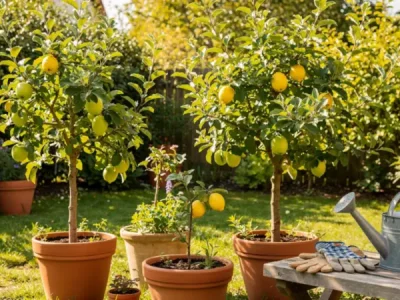
Interest in home cider orchards has increased steadily across the UK. Even a few trees can produce enough fruit for pressing each autumn. For gardeners with limited space, dwarf or semi-dwarf rootstocks allow cider apples to be grown in smaller gardens without sacrificing productivity.
Planning remains essential. Cider apples generally require pollination partners, so planting at least two compatible varieties ensures reliable fruit set. Many orchard guides recommend choosing varieties that flower at similar times to maximise cross-pollination.
Spacing should also be considered carefully. Traditional standard trees can grow large and may require significant room, while modern rootstocks allow more compact growth. Gardeners must balance available space with the desire for multiple varieties.
When browsing options, some growers specifically search for cider apple trees for sale to ensure they obtain authentic cider cultivars rather than general-purpose apples. Specialist nurseries often provide grafted trees of heritage varieties that may not be widely available elsewhere.
Patience is important when establishing an orchard. Young trees typically require several seasons before producing meaningful crops. However, once established, cider apple trees can remain productive for decades, sometimes even generations.
For many British gardeners, that longevity is part of the appeal. A small orchard planted today may still be producing apples for cider long into the future, continuing a tradition that has shaped rural landscapes across the country for centuries.







Comments