
 By
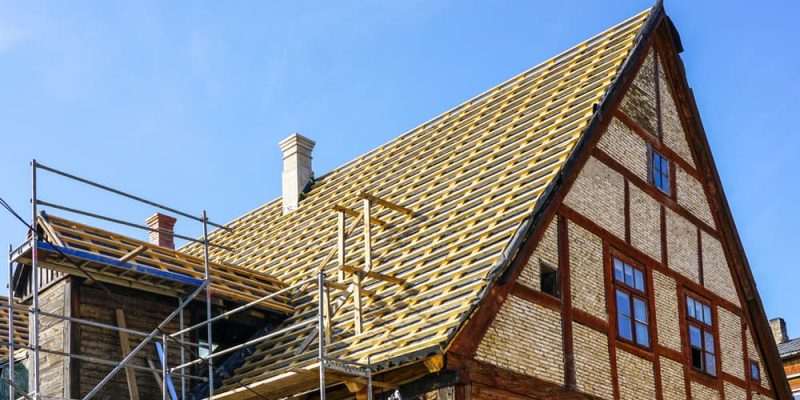
Historic roof restoration is an essential process for maintaining the architectural integrity and value of older buildings. Roofs on historic structures are not only functional elements but also significant design features that reflect the style, craftsmanship, and materials of a bygone era. Restoring these roofs requires careful planning, specialized knowledge, and attention to detail to ensure that both aesthetic and structural aspects are preserved for future generations.
Understanding Historic Roof Restoration
Historic roof restoration involves repairing, refurbishing, or replacing the roofing elements of buildings with cultural, architectural, or historical significance. Unlike standard roof replacement, this process emphasizes preservation of original materials, techniques, and design features whenever possible. Restoration may involve repairing damaged shingles, tiles, or slates, addressing underlying structural issues, and ensuring that modern interventions do not compromise the building’s historical character.
The process typically begins with a thorough assessment of the roof’s condition. Specialists evaluate the structural integrity of supporting beams, check for water damage, and identify areas where historical materials are deteriorating. This assessment helps determine whether sections can be repaired, need partial replacement, or require full restoration. By understanding the original construction methods and materials, professionals can match modern restoration techniques with historical accuracy.
Benefits of Restoring Historic Roofs
Restoring a historic roof provides both aesthetic and practical benefits. From a visual standpoint, a well-maintained roof preserves the original design and enhances the building’s curb appeal. Roofs often feature unique elements such as slate patterns, decorative shingles, or ornamental ridges that are integral to the overall architectural style. Restoration ensures that these elements remain intact and continue to reflect the building’s heritage.
Functionally, historic roof restoration protects the structure from environmental damage. Aging roofs are susceptible to leaks, rot, and structural weaknesses, which can lead to extensive damage if not addressed. Restoration strengthens the roof, prevents water infiltration, and prolongs the life of the building. Maintaining the roof also helps protect interior spaces, valuable finishes, and historically significant architectural details.
Another benefit is the potential increase in property value. Buildings with well-preserved historic features, including roofs, are often more attractive to buyers and investors who appreciate heritage architecture. Restoring a roof can also qualify a property for preservation grants, tax incentives, or inclusion in historic registries, offering financial advantages while supporting cultural preservation.
Techniques and Considerations in Historic Roof Restoration
Successful historic roof restoration requires specialized techniques that respect the original construction and materials. Craftsmen often source materials that match the existing roof, such as slate, clay tiles, wooden shingles, or metal roofing, to ensure visual consistency. In some cases, reclaimed materials from other historical structures are used to maintain authenticity.
Attention to detail is critical. Mortar, flashing, and fasteners should be chosen carefully to complement the original design while providing modern durability. Proper insulation and ventilation are also integrated subtly to enhance performance without altering the roof’s appearance. Restoration projects often involve collaboration between architects, historians, and roofing specialists to balance preservation goals with structural requirements.
Regulatory considerations may also play a role in historic roof restoration. Many historic buildings fall under preservation guidelines that dictate acceptable materials, methods, and changes. Compliance with local and national preservation standards ensures that restoration work maintains the building’s historical status and avoids potential legal complications.
Long-Term Maintenance and Preservation
After a historic roof is restored, ongoing maintenance is essential to preserve its condition. Regular inspections help identify early signs of wear, water damage, or material degradation, allowing timely repairs that prevent more significant issues. Cleaning debris, removing moss, and ensuring proper drainage are also critical to prolonging the life of the roof and maintaining its aesthetic appeal.
Education and awareness of preservation best practices are important for property owners. Understanding the unique vulnerabilities of historic roofs, such as sensitivity to modern chemicals or improper repair techniques, ensures that maintenance efforts are appropriate and effective. Routine care combined with professional oversight guarantees that the roof continues to protect the building while preserving its historical character.
Historic roof restoration is more than a construction project; it is a commitment to preserving cultural heritage. By combining traditional craftsmanship with modern expertise, property owners can maintain the beauty, functionality, and historical significance of their buildings. Proper restoration safeguards architectural integrity, protects investments, and ensures that these structures can be appreciated by future generations.










Comments