
 By
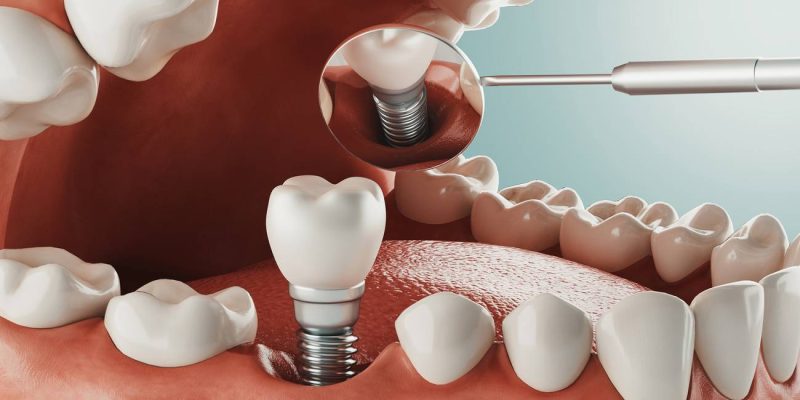
Tooth loss is often discussed as a cosmetic issue first, but dentists usually see a wider picture. A gap in the mouth does affect appearance and confidence, yet the bigger concern is what happens over time when a missing tooth is not properly replaced. Teeth can begin to drift, bite patterns may change, chewing becomes less balanced, and bone in the jaw can gradually reduce.
Dental implants are frequently recommended for that reason. Unlike removable options or treatments that rely heavily on adjacent teeth, implants are designed to replace the lost tooth root as well as the visible crown. That difference has important effects on oral health that may not be obvious at first. The value of implant treatment is not only in restoring a smile but in supporting the structure and function of the mouth in a more stable way. For patients thinking beyond the immediate replacement of a missing tooth, the long-term health benefits are often the real reason dentists suggest implants.
A cosmetic dentist from MaryleboneSmileClinic advises that patients should consider the wider health impact of replacing a missing tooth early, rather than waiting for changes in bite and bone levels to develop. In that context, many people researching a dental implant London option are not simply looking for a cosmetic fix, but for a treatment that can help preserve function and reduce future complications.
Dental Implants Help Preserve Jawbone Over Time
One of the most important long-term benefits of implants is the way they help maintain bone in the jaw. Natural teeth stimulate the jawbone every time a person bites and chews. When a tooth is lost, that stimulation drops sharply in the area where the root used to be. Over time, the body begins to resorb some of that unused bone. This is a normal biological process, but it can have significant consequences, especially when several years pass before replacement. The shape of the jaw may change, neighbouring teeth may become less supported, and the overall structure of the face can subtly alter.
Dental implants are placed into the jawbone and act in a similar mechanical role to a natural tooth root. While they are not identical to living teeth, they do provide direct stimulation through everyday chewing forces. That helps limit the bone loss often seen after extraction. Dentists consider this especially relevant for patients who want to maintain strong foundations for the future, rather than simply covering the visible gap.
In practical terms, preserving bone can also make future dental care easier. A healthier jaw structure may improve support for adjacent teeth and reduce the likelihood that more extensive restorative work will be needed later. In some cases, people who delay treatment discover that they need bone grafting before an implant can even be placed. That is one reason clinicians often encourage timely planning. For many London patients, the decision is not only about replacing a missing tooth now, but about preventing a larger oral health problem from developing gradually and unnoticed over the next decade.
They Reduce the Risk of Neighbouring Teeth Shifting
A missing tooth rarely affects only one spot in the mouth. Teeth are part of an interconnected system, and each one helps maintain the position of the others. When a gap is left untreated, the adjacent teeth often begin to drift into that space. The tooth above or below the gap may also over-erupt because it no longer meets resistance when biting. These movements are usually slow, but dentists see the effects regularly: misalignment, trapped food, altered bite pressure, and areas that become harder to clean properly.
Dental implants help prevent this chain reaction by filling the space in a fixed and stable way. Because the implant supports a crown that sits in the correct position, neighbouring teeth are less likely to migrate. This matters for aesthetics, but it matters even more for oral health. Crowded or tilted teeth can create awkward angles where plaque collects more easily, increasing the risk of decay and gum inflammation. They can also complicate brushing and interdental cleaning, particularly for adults who already have tight spaces or existing restorations.
Another advantage is that implants do not usually require the dentist to cut down the teeth next to the gap, which is often necessary with some traditional bridge work. Preserving natural tooth structure is a major principle in modern dentistry. By leaving healthy neighbouring teeth untouched, implants can offer a more conservative option biologically, even though the treatment itself is more involved. Over the long term, this can help keep more of the patient’s original dentition intact. That is a strong reason why dentists may view implants as an investment in overall oral stability rather than a stand-alone repair.
Better Bite Function Can Protect the Whole Mouth
Chewing efficiency is easy to underestimate until it changes. When a tooth is missing, many people adapt without realising it. They begin to chew on one side, avoid certain foods, or use the front teeth more than they should. These adjustments may seem harmless at first, but repeated over months or years they can place uneven pressure on the remaining teeth and on the jaw joints. Dentists often link missing teeth with patterns of wear, fractured restorations, muscle tension, and a bite that becomes increasingly unbalanced.
Dental implants can help restore a more even distribution of chewing force. Because they are fixed in place, patients often find that they can use the restored area with greater confidence than they could with a gap or a loose removable appliance. That improvement in function supports oral health in several ways. More balanced chewing can reduce excessive load on certain teeth, help preserve enamel and restorations, and make everyday eating less stressful for the mouth overall.
There is also a nutritional aspect to this. People who struggle to chew properly may start avoiding fibrous vegetables, fruits, nuts, or proteins that take more effort to bite. Over time, that can narrow the diet. While implants are not a nutritional treatment in themselves, the ability to chew a wider range of foods more comfortably can support healthier habits. Dentists increasingly discuss oral health as part of general wellbeing, and functional tooth replacement fits into that broader view. A stable bite is not only about comfort at mealtimes. It can play a part in protecting the rest of the dentition from avoidable strain and helping patients maintain everyday oral function with fewer compromises.
Implants Can Support Healthier Gums and Easier Cleaning
Gum health depends heavily on how easy the mouth is to keep clean. A missing tooth can create an area where food catches repeatedly, while shifting teeth may form awkward contact points that are difficult to reach. Some removable appliances can also trap plaque around clasps or against the gumline if they are not meticulously maintained. Over time, these factors may contribute to irritation, bleeding gums, and an increased risk of periodontal problems, especially in adults who already have a history of gum disease.
Dental implants can support healthier maintenance routines when they are properly planned and restored. An implant crown is shaped to allow cleaning access around the gum margin, and because the restoration is fixed, patients do not need to remove it for daily care. Brushing and cleaning around an implant still require attention, but for many people the routine feels more natural than managing a removable replacement. Dentists often stress that implants do not eliminate the need for hygiene; in fact, long-term implant success depends on excellent plaque control and regular reviews.
The benefit is that implants can fit into a stable oral hygiene pattern without relying on surrounding teeth for support. That independence can make the whole area easier to manage over time. Patients who have lost a tooth due to decay or periodontal disease may particularly benefit from a treatment plan that restores the space while also encouraging better cleaning habits around it. In clinical practice, the healthiest implant cases are usually those where the patient understands that the implant is part of an ongoing preventive approach. When maintained well, it can help create a mouth that is simpler to monitor, clean, and protect in the years ahead.
Long-Term Stability Often Means Fewer Complications Later
Dentists tend to think in timelines. A treatment that solves today’s problem but creates new risks in five years is not always the strongest option. This is where implants often stand out. Their main appeal is not that they are quick or cheap, because they usually are neither. Their value lies in long-term stability when the case is suitable, the planning is sound, and the patient is committed to maintenance. That stability can reduce the cycle of repeated adjustments or replacements that some patients experience with less fixed solutions.
A well-integrated implant can function for many years, supporting a crown that restores the missing tooth in a way that feels secure and predictable. For the wider mouth, that can mean less ongoing disruption. Adjacent teeth are not placed under the same kind of structural demand as they might be with certain bridge designs, and patients are less likely to experience the movement often associated with untreated gaps. In broader terms, a carefully placed dental implant London option may therefore contribute not just to tooth replacement, but to a more settled oral environment overall.
That does not mean implants are suitable for everyone. Dentists still assess gum health, bone levels, smoking status, medical factors, and bite habits before recommending them. Some patients need preparatory treatment, while others may be better served by a different approach. Even so, when implants are appropriate, the long-term oral health argument is compelling. They do more than fill a space. They help preserve bone, support functional balance, protect neighbouring teeth, and maintain a cleaner, more stable foundation for future dental health.
Why Dentists Frame Implants as Preventive as Well as Restorative
The common public view of implants is that they replace what has been lost. Dentists often frame them differently. They see implants not only as restorative treatment, but also as a preventive measure against future deterioration. That perspective explains why discussions about implants increasingly focus on oral health outcomes rather than appearance alone. Replacing a missing tooth with a stable, independent restoration can help stop a series of avoidable changes before they become complex and expensive to manage.
For London patients, that matters because dental decisions are often delayed until discomfort or visible problems force action. Yet the most important changes linked to tooth loss are frequently slow and hidden at first. Bone shrinkage, tooth drifting, bite imbalance, and hygiene difficulties build gradually. By the time they are obvious, the treatment plan may be more complicated than it would have been earlier. Dentists therefore tend to emphasise timing, suitability, and long-term maintenance rather than simply the immediate result.
Ultimately, the strongest case for implants is not that they are the newest or most impressive treatment available. It is that they can help preserve the natural order of the mouth in a way that supports health over many years. For adults looking at the long view, that is often the point that matters most. A missing tooth should not be judged only by the gap it leaves behind today, but by the wider effects it may have tomorrow. In that context, implants remain one of the most effective tools dentists use to restore function while also protecting the future condition of the mouth.











Comments