
 By
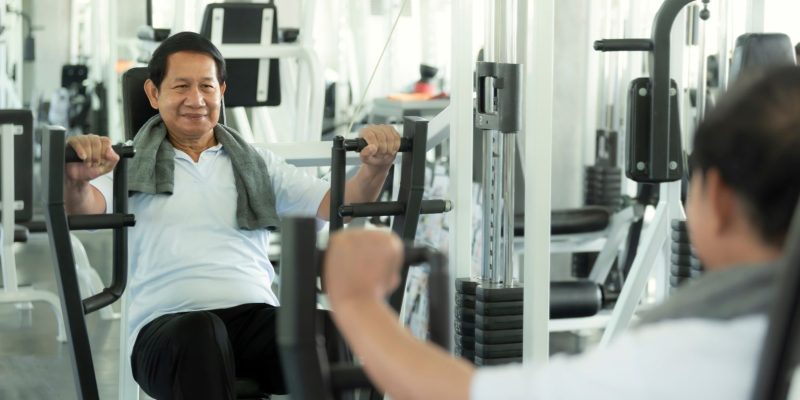
As we age, staying active becomes increasingly important — not just for physical health, but also for maintaining independence, mobility, and mental well-being. A well-structured gym fitness program tailored for seniors can improve quality of life significantly, whether you’re in your 50s, 60s, or well into your 70s.
In Singapore’s rapidly ageing population, seniors are encouraged to stay active well into later years. But safety, customisation, and proper technique become more important than ever. This article outlines how older adults can approach gym workouts safely and confidently while achieving real health results.
Why Seniors Should Prioritise Fitness
Many older adults are hesitant about joining a gym, fearing injury or believing it’s too late to start. In truth, a consistent programme can help:
-
Prevent falls by improving balance and strength
-
Reduce the risk of chronic diseases (e.g., diabetes, osteoporosis, heart disease)
-
Enhance joint flexibility and range of motion
-
Promote better sleep, digestion, and mood
-
Increase energy levels and mental sharpness
With the right approach, the gym becomes a powerful ally in ageing gracefully.
Key Principles of a Senior-Friendly Gym Program
The goal is not extreme intensity or lifting heavy weights. Instead, it’s about building functional strength, maintaining mobility, and promoting safe cardiovascular health.
Here are the guiding principles:
1. Low-Impact, Joint-Friendly Movements
Focus on exercises that protect the knees, hips, and shoulders. Avoid high-impact moves like jump squats or running on hard surfaces.
Examples:
-
Stationary cycling
-
Seated resistance machines
-
TRX assisted squats
-
Water aerobics or light treadmill walking
2. Functional Strength Training
Strength training helps slow muscle loss (sarcopenia) and maintains independence in everyday tasks like climbing stairs or carrying groceries.
Recommended Exercises:
-
Seated dumbbell shoulder presses
-
Resistance band rows
-
Wall-supported push-ups
-
Bodyweight chair squats
3. Balance and Stability Training
Balance naturally declines with age, but it can be rebuilt through specific movement patterns.
Balance Workouts:
-
Single-leg stands near a support bar
-
Heel-to-toe walking
-
Light yoga or tai chi sessions
-
Stability ball exercises
4. Core Activation and Posture
A strong core improves posture, reduces back pain, and supports every other movement.
Core-Friendly Moves:
-
Seated knee lifts
-
Bird-dog holds on all fours
-
Standing oblique crunches
-
Dead bugs with modified range
5. Safe Cardiovascular Conditioning
Heart health remains a top priority. Keep the intensity moderate, and always begin with a warm-up.
Best Options:
-
Brisk walking or incline treadmill walking
-
Stationary bike
-
Rowing machine at low resistance
-
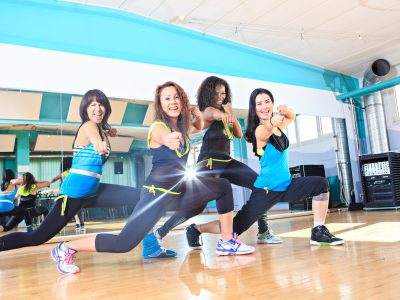
Low-impact dance classes
Weekly Template for Seniors (Ages 50+)
Here’s a simple, effective weekly structure for older adults new to gym routines:
| Day | Focus | Duration |
|---|---|---|
| Monday | Light cardio + core | 30 mins |
| Tuesday | Resistance training (upper) | 35 mins |
| Wednesday | Mobility + balance | 30 mins |
| Thursday | Resistance (lower body) | 35 mins |
| Friday | Group fitness class | 30 mins |
| Saturday | Active walk or yoga | 20–30 mins |
| Sunday | Rest or light stretching | — |
Seniors should always consult a GP before beginning any programme and start under the supervision of a certified trainer when possible.
Facilities like TFX Singapore offer customised sessions, safe equipment setups, and guidance from qualified staff, helping older adults build confidence and stay consistent.
Tips for Seniors to Stay Motivated and Safe
1. Warm Up and Cool Down are Non-Negotiable
Spend 5 minutes warming up the joints and 5 minutes stretching after your session. This prevents soreness and injury.
2. Stay Hydrated
Thirst response may diminish with age, so make a habit of drinking water before, during, and after workouts.
3. Wear Proper Footwear
Invest in well-cushioned shoes with good arch support to reduce impact on the knees and ankles.
4. Keep Intensity Moderate
Seniors should aim for a “talking pace” — enough to feel exertion without gasping for breath. Use the RPE (Rate of Perceived Exertion) scale as a guide.
5. Rest Between Sets
Allow 45–60 seconds between exercises to control breathing and reduce fatigue.
6. Prioritise Consistency Over Intensity
A moderate but regular programme brings far more benefits than sporadic, high-intensity sessions.
Psychological Benefits of Gym Fitness for Seniors
Beyond the physical improvements, fitness can have powerful effects on mental and emotional well-being.
-
Reduced risk of depression and anxiety
-
Better memory and cognitive function
-
Social engagement through classes or partner workouts
-
Improved confidence and independence
Staying active helps seniors live longer, but more importantly, it helps them live better.
FAQ
Q. Is it safe for someone in their 60s or 70s to start a gym fitness program?
A. Yes, as long as it’s tailored to their current fitness level and health conditions. A qualified trainer and medical clearance ensure safety.
Q. What type of equipment is best for seniors?
A. Machines with controlled resistance, free weights under supervision, and resistance bands are ideal. Avoid heavy loads and high-impact moves.
Q. How often should seniors work out at the gym?
A. 3–5 sessions a week of 30–45 minutes each is optimal. Consistency is more important than duration or intensity.
Q. Are group fitness classes suitable for older adults?
A. Absolutely. Look for classes labelled as “low-impact” or “seniors-friendly.” These offer structure, social support, and guided movement.
Q. What if I have joint pain or a chronic condition?
A. Work around pain, not through it. Modify exercises, avoid trigger movements, and consult your trainer or doctor regularly.










Comments