
 By
Key Takeaways
To become a plasma donor, individuals typically need to be at least 18 years old. Yet, in some regions, younger donors may participate if they obtain parental consent.
A health screening is an essential step for donors to confirm that they are free from chronic diseases or infections; it’s important to note that certain medications may not disqualify someone from donating.
Most plasma donation centers set a minimum weight requirement of 110 pounds to reduce risks and promote safety during the donation process.
Preparation plays a vital role in a successful donation. It involves eating a balanced meal with plenty of protein and iron, and ensuring hydration by consuming 2-3 liters of water in the days before donating.
On the day of the donation, valid identification is typically required, usually a government-issued ID, alongside any essential medical documentation.
Following the donation, it’s advisable for individuals to rest for about 10-15 minutes, drink plenty of fluids, and refrain from intense activities for at least 24 hours to facilitate proper recovery.
Regularly donating plasma can bolster personal health by enhancing overall well-being, supporting lower blood pressure, and improving cholesterol levels while simultaneously benefiting the community.
Essential Criteria for Plasma Donation
Who Can Donate Plasma? Age and Health Guidelines
The path to becoming a plasma donor starts with grasping one important factor: eligibility criteria. Age serves as a crucial element, with most centers insisting on donors being at least 18 years old. This age limit isn’t arbitrary; it reflects physiological maturity and the body’s capability to manage the donation process safely. However, some areas permit those under 18 to donate, given they have parental consent.
Health is pivotal as well. Maintaining good health is not merely a suggestion—it’s a prerequisite. Donors need to clear a basic health screening, which usually checks vital signs and various medical conditions. Those with chronic illnesses or infections might face restrictions. Nevertheless, many might be surprised to learn that taking medication doesn’t always disqualify someone from donating plasma. Local guidelines should be checked for details.
Understanding Weight and Height Minimums for Donors
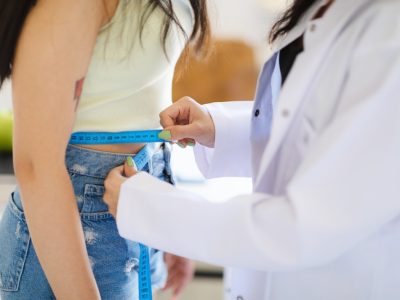
Weight and height criteria often go unnoticed, yet they’re essential for the safety of both the donor and the donation itself. Typically, most centers require a minimum weight of around 110 pounds. For individuals below this weight, the risks of adverse reactions can increase markedly. The BMI guidelines are in place to ensure that donation doesn’t detrimentally impact a donor’s health.
Height can also affect eligibility. Plasma donation centers generally strive to uphold standards aligned with ideal body compositions and overall health. Those who don’t fit standard BMI ranges should inquire directly with their local donation center. Policies may vary, but common height requirements usually start at around 5’0″ without a set maximum.
Preparing for Your Plasma Donation Appointment
What to Eat and Drink Before Donating Plasma
Preparation is crucial. What one consumes before arriving at the donation center can greatly affect the overall experience. Eating nutritious meals is essential; ideally, donors should enjoy a balanced meal rich in protein, iron, and vitamins the day before. Foods like spinach, eggs, and lean meat can significantly boost iron levels, which is vital for an effective donation.
Moreover, hydration is key. Drinking 2-3 liters of water in the days leading up to the donation helps increase plasma volume, making the process more efficient. It’s also critical to steer clear of alcohol and caffeine, as these substances can contribute to dehydration. Many clients find that even moderate consumption before donation can lead to undesirable experiences.
Being well-hydrated and nourished can profoundly influence how smoothly the donation process goes.
Documents and Identification Needed on Donation Day
The appointment day comes with its own requirements. Most centers request valid identification, usually in the form of a government-issued ID like a driver’s license or passport. In some cases, proof of residency may also be needed. Potential donors should recognize that without proper documentation, proceeding with the donation might not be possible. Local regulations can vary, so checking ahead is wise.
Carrying additional paperwork, such as health insurance information or a list of medications (if applicable), can be beneficial. This information often aids centers in ensuring donor health and safety. Professionals recommend organizing these items in a folder to expedite the process. It’s not just about individual preparedness; it enhances overall efficiency at the donation center.
Post-Donation Expectations and Care Tips
What Happens Right After You Donate Plasma?
Post-donation care matters significantly. Following plasma donation, donors usually rest for about 10-15 minutes in a designated recovery area. During this time, they are encouraged to hydrate, with fluids typically provided by the donation center, along with snacks rich in carbohydrates or sugars to help restore energy.
Monitoring for any adverse reactions is routine. Donors should expect to be watched for signs of dizziness or fatigue. If everything goes smoothly, they can return to their daily activities, but with a bit of caution. Light exercise is advised, but vigorous workouts should be avoided for approximately 24 hours. Even if clients feel fine, it’s wise to resist the urge to overexert themselves, allowing their bodies the time they need to recover.
Recovering After Plasma Donation: Do’s and Don’ts
Knowing how to care for oneself after donation can enhance the recovery process. Here are some straightforward tips to consider:
- Do stay hydrated. Water should be prioritized in the following days.
- Do eat a nutritious meal. Focus on proteins and iron to replenish lost nutrients.
- Do rest adequately. Quality sleep can help the body regain balance after donation.
- Don’t engage in strenuous activities. Heavy lifting or intense workouts should be avoided for at least 24 hours.
- Don’t skip follow-up donations. Consistency is crucial for maintaining healthy plasma levels, as long as guidelines permit.
Following this simple approach can greatly influence how one feels post-donation. Taking care of oneself is key to ensuring the body can recover effectively.
Impact of Plasma Donation on Health and Community
Health Benefits of Regular Plasma Donation for Donors
The health benefits associated with regular plasma donation are extensive and often go unnoticed. Many donors report enhanced overall well-being and higher energy levels. Contributing to community health comes with its perks, fostering a sense of achievement. The process itself stimulates the body’s regenerative capabilities, promoting new blood cell production and improved circulation.
On a biochemical level, plasma donation can help reduce certain health risks. Research indicates that routine donation may lower blood pressure and boost cholesterol levels. Furthermore, this process encourages donors to stay proactive about their health by participating in regular screenings, which can reveal other health issues early. It’s a symbiotic relationship where individuals feel good while doing good.
Your Contribution: How Plasma Helps Save Lives
The impact of plasma donation extends far beyond the individual donor. Each donation has the potential to save multiple lives, particularly for those with clotting disorders or victims of severe burns. Plasma is essential for therapies targeting conditions like hemophilia and immune deficiencies. Thus, when one donates, they become integral to a larger mission of promoting health and advancing medical science.
“Plasma isn’t just a liquid; it’s a life-saving resource that aids healthcare solutions.”
Highlighting the direct effects can serve as a significant motivator for many donors. The statistics are impressive; one donation might positively influence several individuals, creating a web of recovery across various medical challenges. Recognizing this link can transform how donors perceive their contributions, fostering a deeper commitment to the cause.
Ultimately, the plasma donation journey touches on numerous facets of health, wellness, and community support. From grasping the requirements to donate plasma to experiencing the profound benefits for both personal and societal health, it encapsulates a crucial service that enriches lives.
FAQ
Can individuals with tattoos or piercings donate plasma?
Yes, most plasma donation centers permit individuals with tattoos or piercings to donate, provided those tattoos or piercings have fully healed. Typically, a waiting period of 6-12 months post-tattooing is suggested to minimize any health risks.
What should a donor expect during the donation process itself?
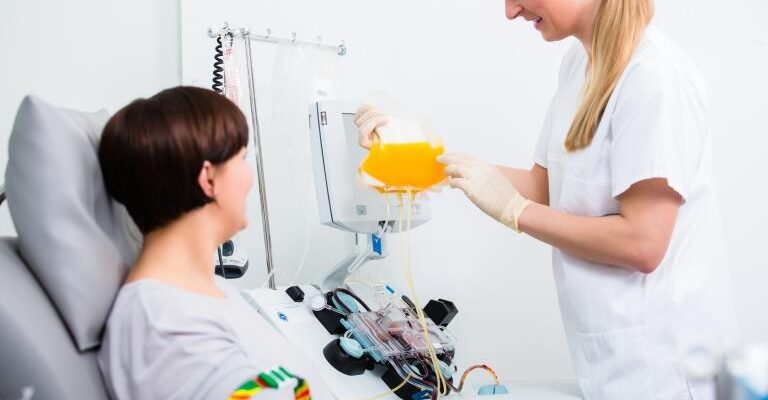
The donation process typically takes about 45 minutes to an hour. Upon arrival, donors will complete forms, undergo screening, and then the actual donation occurs, involving the insertion of a needle into the arm. It’s generally less intimidating than it seems.
Are there any age restrictions for plasma donation?
The primary age restriction imposed by most donation centers is that donors must be at least 18 years old. Nevertheless, some centers allow individuals younger than 18 to donate with parental consent. Checking specific local regulations for clarity is advisable.
How long does it take to recover fully after donating plasma?
Recovery times vary among individuals, but generally, it takes about 24 hours for most people to feel back to normal. Some might experience slight fatigue, so rest, hydration, and good nutrition will support a smoother recovery process.
Is it safe to donate plasma if someone has a chronic illness?
Many individuals with chronic illnesses can still donate plasma, but this largely depends on the specific condition. Health screenings evaluate individual health status and medications; hence, seeking advice from medical professionals before attempting to donate is highly recommended.
Can donation frequency impact overall health positively?
Regular plasma donation can indeed yield positive health effects. Donors often report enhancements in blood pressure and cholesterol levels, along with an uplift in overall wellness. Nonetheless, adhering to suggested donation schedules is essential to prevent the depletion of vital nutrients.
What happens if a donor feels unwell during or after the donation?
If a donor begins to feel unwell during the process, they should inform the staff immediately. The team is trained to manage these situations and will monitor the donor closely. After the donation, rest and hydration remain critical for recovery.
How does donating plasma help with community health initiatives?
Plasma donations are crucial in treating conditions affecting numerous community members, such as clotting disorders and immune deficiencies. Each donation holds the potential to assist multiple patients, nurturing a health and support network within the community.








Comments