
 By
Key Takeaways
Selecting a high-quality sheet metal manufacturing company can significantly influence project timelines, costs, and product quality. Therefore, making the right choice is crucial for success.
Certifications such as ISO 9001, ISO/TS 16949, AS9100, and SME highlight a manufacturer’s dedication to quality and adherence to industry standards, bolstering credibility in the marketplace.
The use of advanced machinery, including precision laser cutters and CNC machines, is vital for high-quality production. Regular maintenance also ensures that equipment remains reliable.
Choosing appropriate materials impacts both durability and cost-effectiveness. A solid understanding of different alloys’ specific properties can greatly shape project success.
Both gauge and thickness play important roles in determining the strength and durability of sheet metal. Poor selection can lead to failures, often due to bending or warping.
Communicating effectively with a manufacturing partner is fundamental to avoiding costly mistakes and ensuring alignment throughout the project. Regular updates and easy access to contact points are essential components in this regard.
Finding the right balance between quality and cost is key. Opting for the lowest bid might compromise quality and result in higher expenses down the line.
How to Identify a High-Quality Sheet Metal Manufacturer
The process of choosing a suitable sheet metal manufacturing company could determine the fate of a project, influencing both timelines and product quality. Clients often find themselves wondering how to differentiate between a manufacturer known for excellence and one that simply meets the baseline requirements. While the task may appear intimidating, several key indicators can offer crucial insights.
Key Certifications That Signal Excellence
Certifications serve as credible markers in the manufacturing industry. They indicate a dedication to quality and compliance with established standards. Take ISO 9001, for example—it’s among the most respected certifications worldwide. Companies that hold this certification reflect a strong focus on continuous improvement and customer satisfaction.
Additional noteworthy certifications include:
- ISO/TS 16949 for automotive standards, indicating expertise in the intricate automotive supply chain.
- AS9100 for aerospace, guaranteeing compliance with rigorous safety and quality protocols.
- SME Certification which showcases an understanding of manufacturing processes and practices.
These certifications do more than look impressive on paper; they strengthen a manufacturer’s standing in the industry. The goal is clear: ensuring that quality transcends mere jargon and is fully integrated into their operations.
Essential Machinery for Precision Engineering
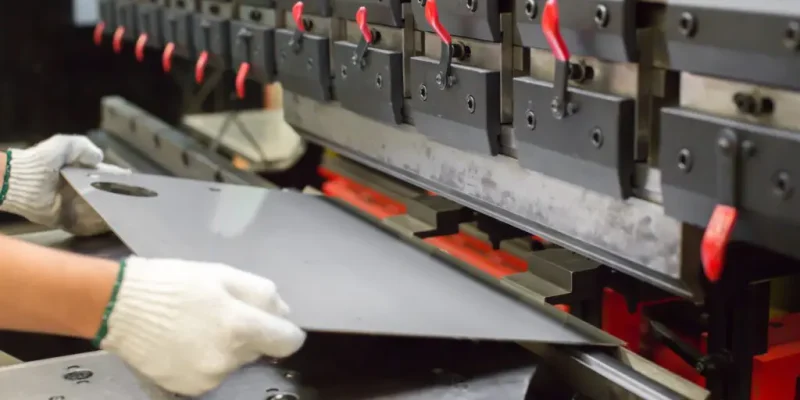
The machinery utilized by a manufacturer speaks volumes about its capabilities. Investing in cutting-edge technology is crucial. Precision laser cutters and CNC machines represent the pinnacle of manufacturing tools, minimizing waste and enhancing accuracy.
However, it isn’t solely about having the latest equipment. Routine maintenance and timely upgrades are indispensable. A machine that’s well cared for will undoubtedly perform better than one that’s aged and worn. Ideally, professionals recommend visiting the facility to evaluate the equipment firsthand when feasible.
Evaluating a Manufacturer’s Experience and Expertise
In the manufacturing world, experience isn’t just a number; it equates to efficiency and skill. A manufacturer with a rich history typically knows how to navigate complications with ease. Their practical knowledge creates a vital foundation for problem-solving and ensuring quality.
It’s beneficial to inquire about:
- The types of projects they’ve successfully completed
- Client references that can attest to their skills
- The range and scale of projects they’ve handled
Insights gained from experience are invaluable. Manufacturers with extensive backgrounds can often better understand client needs and proactively address potential challenges before they escalate into issues.
The Impact of Material Selection on Project Success
Material selection transcends being a mere technicality. It’s pivotal for achieving overall project goals. The right materials can enhance durability, cost-effectiveness, and even aesthetic qualities, yet many neglect to consider its significance.
Understanding Different Sheet Metal Alloys
Each project typically demands specific alloys. For instance, stainless steel is prized for its corrosion resistance, while aluminum is preferred for its lightweight characteristics and ease of machining. It’s essential for clients to understand the subtle distinctions of various alloys to make educated choices.
Commonly used alloys include:
- Aluminum 6061 – Ideal for structural components, blending strength and lightness.
- Stainless Steel 304 – Excellent for environments susceptible to rust; offers significant versatility.
- Galvanized Steel – Frequently employed in outdoor applications thanks to its durability against the elements.
Selecting the proper alloy could yield noteworthy cost savings and extend the lifespan of the final product. Aligning material choices with project requirements is not only beneficial but critical.
Why Thickness and Gauge Matter
In sheet metal, the significance of gauge and thickness can’t be overstated. They influence factors such as weight, strength, and durability. A thin sheet may easily bend or warp, while a thicker alternative might boast greater strength—but at a higher price.
Typical gauges used in production are:
- 20 gauge for automotive applications
- 16 gauge for commercial equipment
- 14 gauge for structural use
Understanding the implications of gauge allows clients to set realistic expectations and guarantees alignment with the project’s intended application. Selecting the incorrect gauge could spell trouble later on.
Finding the Right Finish for Functionality
Finishing touches play a vital role; selecting the appropriate finish can significantly improve a product’s lifespan and performance. From powder coating to anodizing and plating, the right finish serves various purposes, whether it’s enhancing aesthetic appeal or resisting corrosion.
Properly treating materials is essential for long-term durability. For example, powder coating provides an extra layer of protection and improves visual appeal. Anodized finishes—especially on aluminum—tend to maintain integrity over time, particularly in harsh settings.
Streamlining Your Production Process with the Right Partner
An aligned partnership can significantly elevate ordinary operations into a well-oiled production machine. When seeking a sheet metal manufacturing partner, evaluating how each candidate aligns with specific production needs is essential.
Integrating Customization Options in Manufacturing
Today’s clients often demand customized solutions that precisely meet their specifications. A manufacturing partner that is open to customization can dramatically boost project viability. Custom design services pave the way for tailored solutions that bring visions to fruition.
Questions to consider include:
- Does your potential partner provide 3D modeling for visualizing concepts?
- Can they offer flexible manufacturing options to adapt to evolving project requirements?
- Do they have a range of finishes and treatments tailored to specific needs?
Customization opens the door to innovation, often resulting in products that stand out in the marketplace.
How Lead Times Affect Overall Project Timelines
Lead times can vary widely and impact the overall efficiency of projects. Clients must grasp the production capabilities and timelines of potential manufacturers. A solid understanding of lead times enables better planning and resource allocation, thus minimizing potential delays.
It’s advantageous to ask about:
- Typical lead times according to project types
- How lead times may fluctuate based on material availability
- Seasonal demand shifts and their impact on production
Transparent communication about lead times can help avoid roadblocks and ensure timely delivery, ultimately fostering better collaboration.
The Role of Communication in Efficient Collaborations
Communication isn’t just an added layer; it’s the backbone of successful collaborations. A responsive manufacturing partner ensures prompt answers to questions and addresses concerns as they arise. Miscommunication can lead to costly mistakes, so establishing clear communication channels from the beginning is critical.
Identify companies that prioritize effective communication through:
- Regular project updates
- Accessible contact points for inquiries
- Transparent processes that keep clients in the loop
Efficient communication fosters trust and ultimately leads to fruitful, effective partnerships.
Cost Factors in Sheet Metal Manufacturing: What to Consider
Cost undoubtedly plays a significant role when selecting a manufacturing partner. However, unpacking pricing structures and truly understanding value can be more complicated than it seems. It’s often a delicate balance between maintaining quality and adhering to budget constraints.
Breaking Down Pricing Structures for Clear Insights
Pricing structures can vary significantly due to a range of elements, including materials, labor, and finishing processes. A comprehensive understanding of these factors leads to clearer pricing insights and better decision-making. Some manufacturers may provide detailed quotes, while others might offer simplified rates that obscure the true cost drivers.
Crucial inquiries include:
- Material costs and the factors influencing their fluctuation
- Labor rates and their effect on overall pricing
- Expenses associated with different finishes and treatments
Being informed about these aspects equips clients to determine whether a provided quote aligns with industry norms.
Balancing Quality and Affordability in Quotes
Striking a balance between quality and affordability can be challenging. It’s common for clients to feel inclined to select the lowest bid, which can compromise quality. But, it’s essential to understand that quality generally comes with a cost.
A less expensive option might save upfront, but it could lead to problems requiring costly solutions later. When evaluating quotes, it’s critical to focus not only on price but also on the value provided throughout the project’s lifespan.
Long-term Value vs. Short-term Costs: Making the Right Choice
When assessing a manufacturing partner, clients should avoid focusing solely on immediate costs. Long-term value carries substantial importance. An initial higher investment may lead to increased durability and lower maintenance costs, ultimately improving overall value.
Key factors to assess could include:
- The projected lifespan of materials and products
- Potential maintenance costs tied to cheaper alternatives
- The manufacturer’s reputation and reliability
In the long run, prioritizing quality over short-term savings can yield significantly better outcomes.
Grasping these nuances is essential. Readers are encouraged to reflect on their own needs as they seek the right manufacturing partner to ensure their projects are executed with excellence in today’s competitive landscape.
FAQ
What are the most common industries that rely on sheet metal manufacturing?
Sheet metal manufacturing caters to various industries, including automotive, aerospace, construction, and consumer electronics. Professionals in these fields often require precision components tailored to meet specific operational demands.
How does a company’s location impact its manufacturing capabilities?
Geographic location significantly influences logistical efficiency. Factors like proximity to suppliers, access to skilled labor, and transportation infrastructure can all affect a manufacturer’s ability to meet deadlines and control costs.
What should clients look for in a manufacturer’s customer support?
Exceptional customer support encompasses responsiveness, adaptability, and proactive communication. Clients should expect easy access to representatives, timely updates on project status, and a readiness to address concerns throughout the manufacturing process.
Are there specific regulations that govern sheet metal manufacturing?
Indeed, industries like aerospace and automotive face stringent regulations surrounding safety and quality. Compliance with these standards is critical for manufacturers, and clients should ensure that potential partners adhere to relevant regulations.
How can clients effectively communicate their design requirements?
Clear communication of design requirements starts with providing detailed specifications and visual aids like CAD drawings. Utilizing these tools helps the manufacturer accurately understand project nuances, thereby minimizing misinterpretation risk.
What innovations are currently influencing sheet metal manufacturing?
Current trends include increased automation, advancements in laser cutting technology, and the integration of smart manufacturing practices, leveraging IoT for heightened production efficiency. These innovations can greatly enhance precision and reduce waste.
How important is after-sales service in sheet metal manufacturing?
After-sales service is vital for addressing any issues that arise post-delivery. Reliable support ensures that clients can make necessary adjustments or repairs, thereby protecting the integrity of their projects and promoting satisfaction.
Can sheet metal manufacturing be environmentally sustainable?
Yes, sustainable practices in sheet metal manufacturing encompass recycling scrap metal, utilizing energy-efficient machinery, and choosing eco-friendly materials. Clients are increasingly prioritizing sustainability, which drives manufacturers to adopt greener practices in their operations.










Comments