
 By
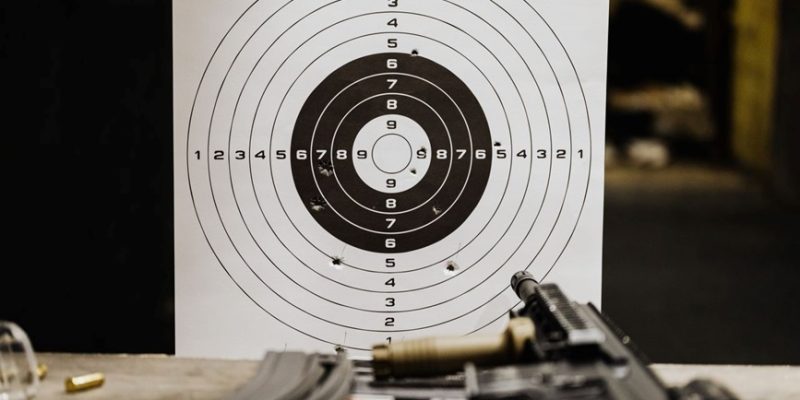
A sporting rifle can represent a substantial purchase, and product listings rarely provide all the information a buyer needs. Photographs, marketing descriptions, and enthusiastic reviews may create a strong first impression, but careful research should come before any financial commitment.
Someone investigating a BSR47 rifle, for example, should verify its exact configuration, manufacturer information, legal status, warranty terms, parts compatibility, and intended sporting use. The same research process applies to many other platforms and can help buyers avoid unsuitable products, misleading listings, and unexpected costs.
Begin With the Exact Model
Manufacturers may sell several products with similar names. Differences can include barrel dimensions, stock configuration, finish, materials, included equipment, or market-specific features.
Write down the complete model name and any product code shown in the listing. Do not assume that a review of one version applies perfectly to another.
Production changes can also occur without a major name change. A current example may use different components or specifications from one reviewed several years earlier.
Use Manufacturer Information as a Starting Point
The manufacturer’s official website or catalog should provide basic specifications and warranty information. Manuals can reveal additional details about approved maintenance, inspection, and product limitations.
Official sources remain important, but buyers should remember that manufacturers present their products in the best possible light. Marketing phrases such as “premium,” “professional,” or “battle-tested” do not provide measurable specifications.
Record concrete information first. Dimensions, weight, materials, warranty duration, included components, and service procedures offer a more useful basis for comparison.
Confirm Local Legal Requirements
Firearm laws vary by location and can distinguish between models that appear very similar. Licensing, registration, storage, transport, magazine, and transfer requirements may all apply.
Prospective buyers should consult the relevant authority, authorized dealer, or qualified legal professional. Internet comments from another jurisdiction cannot confirm what is lawful locally.
Buyers should complete this step early. There is little value in spending hours comparing accessories for a product that they cannot legally acquire or use in its advertised configuration.
Compare Several Independent Reviews
A single review provides one person’s experience. Several reviews can reveal patterns.
Look for sources that explain how the product was evaluated, what configuration was used, and whether the reviewer received it from a manufacturer or retailer. Financial relationships do not automatically invalidate a review, but transparent disclosure helps readers interpret it.
Pay attention to repeated observations. If unrelated reviewers identify the same strength or concern, that pattern deserves further investigation.
Separate Preference From Defect
Reviews often mix objective problems with personal preferences. A user may dislike a stock shape, control layout, finish color, or weight distribution even though the product functions as designed.
A defect involves something that fails to meet the stated specification or reasonable quality standard. Preference concerns whether the design suits a particular person.
Both factors matter, but they require different responses. A preference may disappear after choosing another configuration, while a manufacturing defect may require warranty support.
Investigate Parts and Service Availability
A product’s purchase price tells only part of the ownership story. Replacement parts, approved accessories, maintenance supplies, professional service, and shipping can add substantial cost.
Research whether the manufacturer sells common replacement components and supports older models. Check whether qualified service providers operate in your area and how warranty claims work.
A lower purchase price may offer poor value if basic parts remain difficult to obtain. Conversely, a mature service network can make a more expensive product easier to own over time.
Inspect Used Examples Carefully
A used sporting rifle requires additional investigation. Ask the seller about ownership history, repairs, modifications, finish work, storage conditions, and included documentation.
Detailed photographs can reveal surface condition but cannot confirm every internal issue. When local laws and circumstances permit, an inspection by a qualified dealer or gunsmith provides greater confidence.
Do not treat phrases such as “rarely used” or “safe queen” as verified evidence. They describe the seller’s claim, not a measurable condition.
Understand Modifications
Aftermarket components can improve comfort or adapt a sporting rifle to a specific lawful activity. They can also create compatibility, reliability, warranty, or legal problems.
Ask who installed each modification and whether the original components remain available. Confirm that the altered configuration complies with local law.
A large collection of accessories does not always increase value. Some buyers prefer an original, documented example over a heavily customized one.
Calculate the Complete Budget
The budget should include more than the rifle itself. Depending on the activity and jurisdiction, the buyer may need secure storage, a suitable case, eye and hearing protection, range fees, permits, maintenance supplies, and professional instruction.
These supporting expenses directly affect safe and lawful ownership. Reducing the equipment budget slightly may make room for better storage or training.
A realistic total prevents the buyer from acquiring the central item while postponing everything needed to use and maintain it responsibly.
Keep Research Records
Save links, specifications, dealer quotations, warranty details, and notes from conversations. Record the date because product information and laws can change.
A simple comparison table can make the final decision easier. Useful columns include configuration, price, warranty, weight, included components, service availability, and any verified concerns.
Documentation also helps if a listing changes or a seller makes a claim that later becomes disputed.
Conclusion
A careful buyer moves from broad interest to verified detail. The process should include exact model identification, official specifications, legal confirmation, independent reviews, service research, condition assessment, and a complete ownership budget.
Good research may confirm that the original choice fits the buyer perfectly. It may also reveal a better alternative. Either outcome is valuable because the purpose of research is not to defend an early preference—it is to make an informed decision.










Comments