
 By
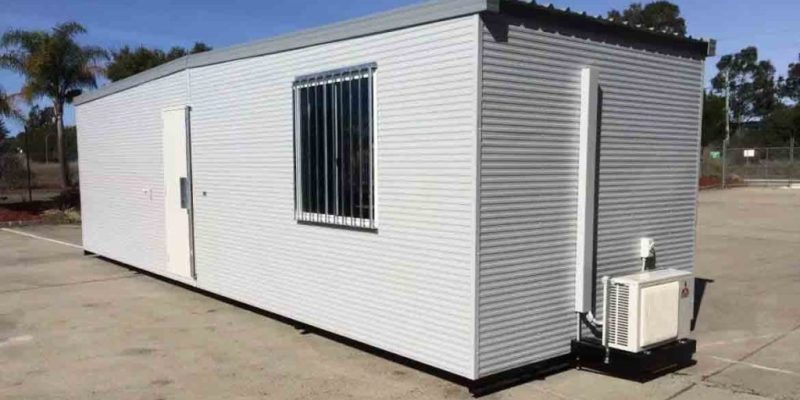
Remote and regional projects run on logistics as much as they run on labour, and site accommodation is one of the first things that has to be locked in before anything else can start. Searching for a donga for sale is usually the easy part — the harder part is working out which unit will actually survive the freight, the climate and months of continuous occupation once it arrives. This guide is written for project managers and site supervisors weighing that decision, rather than for a one-off backyard purchase.
Why Remote Sites Change the Buying Calculation
A donga destined for a suburban block and one destined for a mine site four hours from the nearest town are not the same purchase, even if they look similar in a catalogue. Freight cost and lead time both scale with distance, which means a cheaper unit that needs rework or replacement parts sourced later can end up costing far more than a slightly pricier unit specified correctly the first time. Remote buyers should treat the unit’s build quality, not just its purchase price, as the number that actually determines total cost.
Freight and Access Planning
Before locking in a supplier, map out the actual route the unit will travel — road train access, low bridges, unsealed sections that limit vehicle size, and whether a crane or forklift will be available on arrival. Some suppliers list current stock by physical location, which is worth checking early since a unit already positioned closer to the route can shave real time and cost off delivery. Checking current stock and specifications before committing to a freight booking avoids the common mistake of arranging transport before the unit itself is confirmed and ready.
Climate and Wind Considerations
Regional Western Australia covers a wide range of conditions, from cyclone-affected coastal areas to hot, dry inland country, and the build spec needs to match wherever the unit is headed. In cyclone-prone regions, wind rating is governed by the relevant Australian Standard wind region classification, and units can be built or fitted with certified tie-down systems and heavier framing to meet a higher classification — but this has to be specified for the site in question rather than assumed. If the location sits in a declared cyclone region, get the wind rating confirmed in writing against the actual site address, not a general regional description.
For hot inland sites, insulation and ventilation matter more than most buyers expect on day one. A unit that feels fine in a showroom in cooler weather can become genuinely unpleasant to work in once it’s sitting in direct sun for a full shift. Ask about wall and roof insulation ratings, window glazing, and whether air conditioning is rated for the expected ambient temperatures rather than a mild-climate default.
Power, Water and Site Services
Remote sites rarely have the same services readily available that a metro block does, so it’s worth confirming exactly what the unit needs to function before it arrives. Does it require a generator connection, and if so, what capacity? Is there a self-contained water and waste option, or does it depend on a connected supply? Getting these answers before delivery avoids a unit sitting idle on site while services are sorted out after the fact — a surprisingly common and entirely avoidable delay.
Crew Numbers and Configuration
Remote projects often need several units working together rather than one standalone donga — a lunchroom, an office, ablutions blocks and sleeping quarters configured as a small camp rather than a single building. Planning the layout before ordering, including access paths between units and any required separation distances, saves a second freight run later. A look through the available range of configurations is a practical way to work out what a crew of a given size will actually need, rather than guessing and adjusting once everyone is already on site.
Maintenance Access Once On Site
Remote sites make basic maintenance harder simply because a tradesperson isn’t a short drive away. Ask what routine maintenance the unit will need — air conditioning servicing, roof and gutter checks, door seal replacement — and whether any of it can reasonably be handled by site crew rather than requiring a specialist callout. A unit specified with fewer moving parts and simpler servicing requirements is often the better long-term choice for a genuinely remote location, even if it looks less feature-heavy on paper.
Getting the Paperwork Right Before It Leaves the Yard
Because remote deliveries are expensive to redo, it’s worth over-preparing on documentation rather than under-preparing. Confirm compliance certification, get written confirmation of wind rating and insulation specification where relevant, and make sure the delivery quote separates freight, site works and the unit itself so nothing is a surprise on arrival. A seller who can answer these questions clearly and quickly, before a deposit changes hands, is usually a reasonable proxy for how the rest of the transaction will go.
Getting a donga right for a remote site is less about finding the cheapest listing and more about matching the build spec to conditions the unit will actually face for months at a time. The extra hour spent confirming these details before ordering is far cheaper than the alternative once the unit is four hours down a dirt road.











Comments