
 By
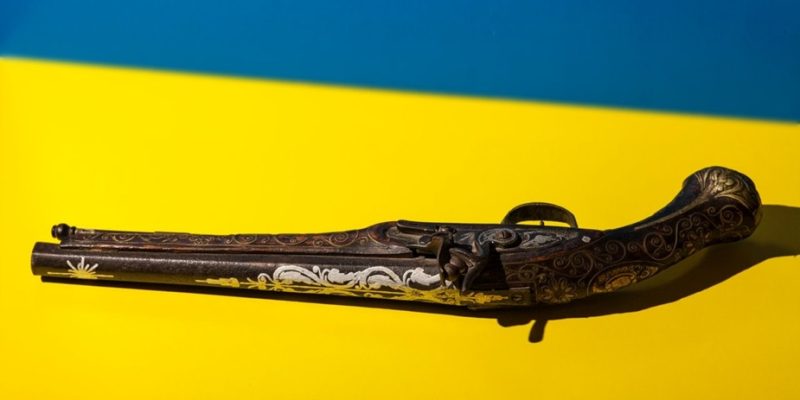
Collectors preserve history through objects. Some focus on coins, watches, automobiles, or military uniforms, while others study historically significant firearms. Each item can reveal something about engineering, industrial production, national identity, and the period in which it appeared.
A collector researching a model such as the ZPAPM72 should look beyond its surface appearance. Variants, markings, manufacturing history, condition, documentation, and legal status can all affect an item’s historical interest and value. Careful research matters much more than an exciting description in an online listing.
Choose a Clear Collecting Theme
New collectors often try to acquire examples from every period and country. That approach can become expensive and confusing very quickly.
A focused theme helps a collection tell a coherent story. Someone might concentrate on a particular country, manufacturer, mechanical system, historical era, or category of sporting arms. Another collector may study how one design evolved across several decades.
A theme does not need to remain permanent. It simply provides direction while the collector develops knowledge and learns which objects hold lasting interest.
Study Before You Buy
Research represents the most valuable tool available to a collector. Books, factory records, museum collections, historical catalogs, specialist publications, and experienced collector communities can help identify important details.
Online discussions provide useful leads, but they should not serve as the only source. Incorrect information spreads easily when one unsourced claim gets repeated across multiple websites.
Collectors should compare several references and learn the terminology used for parts, markings, finishes, and variations. A small detail can distinguish a historically interesting example from a common reproduction or mismatched assembly.
Learn to Read Markings
Manufacturers and government organizations have used serial numbers, proof marks, factory symbols, inspection stamps, and import markings for different purposes.
These details may help establish the approximate production period or origin of an item. However, their meaning varies by manufacturer and jurisdiction. A symbol that indicates an inspector in one system may serve a completely different purpose in another.
Collectors should photograph markings clearly and record them in their private inventory. They must also take care when sharing complete serial numbers publicly, since unnecessary exposure can create privacy or security concerns.
Condition Is More Than Appearance
A clean, refinished object may look more attractive than a worn example, but cosmetic beauty does not always equal historical value.
Original finish, matching components, honest wear, and documented provenance may matter more than a polished surface. Aggressive cleaning can remove markings, alter dimensions, or destroy evidence of age. Replacement parts can improve functionality while reducing originality.
Collectors should learn the difference between conservation and restoration. Conservation seeks to stabilize and protect an object. Restoration attempts to return it to an earlier appearance. Both approaches have legitimate uses, but undisclosed restoration can mislead future buyers.
Documentation Adds Context
An object with reliable documentation can tell a much richer story. Receipts, official records, period photographs, manuals, correspondence, and previous collection notes may establish where an item came from and how it changed hands.
Collectors should preserve original paperwork in acid-free sleeves or suitable archival storage. Digital copies provide a useful backup, but they should not replace physical documents.
Provenance claims require evidence. A dramatic family story may be sincere, yet memory changes over time. Collectors should label unverified information clearly rather than presenting it as established fact.
Understand Reproductions and Modified Examples
The market includes replicas, commemorative editions, modern reproductions, and historical objects altered after production. None of these categories automatically lacks collecting value. The important issue involves correct identification.
A quality reproduction can provide an affordable way to study a design that would otherwise remain inaccessible. A modified example may document a particular period or civilian use. Problems arise when sellers describe such items inaccurately.
Before purchasing, collectors should ask for detailed photographs and written clarification about replacement components, refinishing, repairs, and modifications.
Follow Every Applicable Law
Firearm laws differ substantially between countries, states, provinces, and municipalities. They can also change over time.
A potential buyer must confirm whether an item requires a license, registration, permit, transfer through an authorized dealer, or specific storage arrangements. Parts and accessories may have separate legal classifications.
Collectors who import or export historical objects face additional rules. Age alone does not automatically make an item legally unrestricted. Advice from an appropriate authority or qualified legal professional can prevent costly mistakes.
Store the Collection Responsibly
Secure storage protects people as well as objects. Collectors should follow local laws and use an appropriate safe or secure storage system.
Humidity control helps prevent corrosion, while suitable protective materials reduce abrasion and chemical damage. Some foam products and soft cases can trap moisture, so they may not suit long-term storage.
Regular inspections allow collectors to identify rust, stock damage, deteriorating finishes, or pest activity before the problem becomes severe. Maintenance records can also become part of the object’s documentation.
Build Relationships, Not Just Inventory
Museums, collector associations, historians, specialist dealers, and responsible enthusiast groups offer opportunities to learn. Experienced collectors can help newcomers recognize variations, avoid common mistakes, and find trustworthy references.
Good communities also encourage ethical behavior. They value honest descriptions, lawful transfers, accurate research, and respect for historical context.
A collection becomes more meaningful when its owner can explain why each object matters. Ten well-researched pieces may tell a stronger story than a room full of poorly documented acquisitions.
Conclusion
Historical firearm collecting combines research, preservation, mechanical knowledge, and legal responsibility. The most successful collectors do not simply chase rare objects. They study context, document details, protect original features, and remain honest about uncertainty.
A thoughtful collection can preserve valuable evidence of industrial and social history. Its true worth lies not only in what sits inside the safe, but also in the knowledge that the collector preserves alongside it.










Comments