
 By
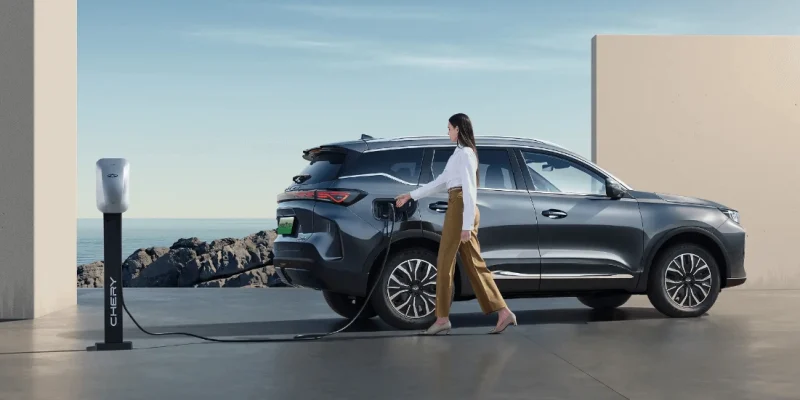
The automotive industry is undergoing its most significant transition in over a century. For decades, drivers relied almost exclusively on internal combustion engines fueled by gasoline or diesel. As concerns surrounding environmental sustainability, volatile fuel prices, and energy efficiency have taken center stage, alternative powertrains have transitioned from niche experiments into mainstream necessities.
Among these innovations, hybrid vehicles occupy a critical and highly practical position. Serving as the ideal bridge between traditional gasoline-powered cars and fully electric vehicles, hybrids offer substantial efficiency improvements without demanding drastic lifestyle changes from drivers. Understanding how hybrid technology operates, the various configurations available on the market, and the distinct advantages they provide helps consumers make informed choices for their daily transportation needs.
What Is a Hybrid Vehicle?
At its most fundamental level, a hybrid vehicle is an automobile that utilizes two or more distinct power sources to generate propulsion. In the modern consumer market, this almost always refers to a hybrid electric vehicle, which combines a traditional internal combustion engine with one or more electric motors and a high-voltage traction battery pack.
Unlike conventional vehicles that depend solely on gasoline combustion to turn the wheels, a hybrid powertrain coordinates the strengths of both systems. An onboard electronic control unit continuously evaluates driving conditions, throttle input, speed, and battery charge levels to determine the most efficient method of power delivery.
At low speeds or during idle periods, the vehicle can operate purely on electric power, consuming zero gasoline. When accelerating hard, ascending steep inclines, or cruising at high highway speeds, the internal combustion engine engages seamlessly to deliver supplemental power, take over propulsion duties, or recharge the onboard battery.
The Different Types of Hybrid Powertrains
Hybrid technology is not a one-size-fits-all solution. Automakers engineer distinct hybrid architectures to achieve specific balances between cost, weight, complexity, and fuel efficiency.
Mild Hybrid Vehicles (MHEVs)
Mild hybrids feature the simplest and most cost-effective hybrid configuration. An MHEV incorporates a small 48-volt battery and an electric motor-generator integrated directly into the gasoline engine.
-
The electric motor cannot propel the vehicle on its own.
-
Instead, it assists the gasoline engine during acceleration, smooths out the automatic stop-start system, and powers onboard vehicle electronics when the engine shuts off at traffic lights.
-
Mild hybrids deliver modest fuel economy gains without adding substantial weight or production cost.
Full Hybrid Vehicles (HEVs)
Also known as traditional, parallel, or series-parallel hybrids, full hybrids represent the most common type of hybrid vehicle on the road today. They feature larger battery packs and more robust electric motors than mild hybrids.
-
A full hybrid can travel short distances at low to moderate speeds using 100% electric energy.
-
The system automatically alternates between electric power, gasoline power, or a combination of both without any input required from the driver.
-
The battery recharges exclusively through internal vehicle processes, meaning it never needs to be plugged into an electrical outlet.
Plug-in Hybrid Electric Vehicles (PHEVs)
Plug-in hybrids represent the closest step toward a fully electric vehicle. PHEVs feature significantly larger battery packs that can be charged by plugging into a standard household wall outlet or a public Level 2 charging station.
-
A PHEV offers a dedicated all-electric driving range, typically between 20 and 50 miles, before the gasoline engine ever needs to ignite.
-
Once the electric charge is depleted, the vehicle seamlessly switches to functioning as a conventional full hybrid, eliminating range anxiety entirely.
-
For drivers with short daily commutes who charge regularly at home, a PHEV can operate almost entirely as an electric car during the workweek while retaining long-distance gasoline capability for road trips.
Key Technologies That Power Hybrid Efficiency
Hybrid vehicles achieve superior efficiency through several innovative engineering mechanisms designed to capture and manage energy that conventional vehicles waste.
-
Regenerative Braking: In a standard automobile, braking relies entirely on friction between brake pads and rotors, which dissipates kinetic energy into useless ambient heat. Hybrids use regenerative braking, reversing the electric motor into a generator when the driver steps on the brake or coasts. This process captures kinetic energy, slows the vehicle down, and converts that motion back into stored electrical energy inside the battery.
-
Engine Start-Stop Systems: Idling in heavy traffic or at red lights consumes significant fuel and produces unnecessary tailpipe emissions. Hybrid systems automatically shut off the internal combustion engine whenever the car stops, instantly restarting it the moment the accelerator is pressed.
-
Atkinson Cycle Engines: Many hybrid vehicles pair their electric motors with internal combustion engines that operate on the Atkinson combustion cycle. While this cycle produces slightly less low-end torque than a standard Otto-cycle engine, the electric motor compensates instantly with immediate electric torque, allowing the gasoline engine to operate at peak thermodynamic efficiency.
-
Electric Motor Assist: Internal combustion engines are least efficient during initial acceleration from a complete stop. Electric motors deliver maximum torque instantly at zero RPM, relieving the gasoline engine of its most fuel-intensive duties.
The Major Benefits of Owning a Hybrid Vehicle
Choosing a hybrid vehicle delivers an array of tangible financial, practical, and environmental advantages that make everyday driving more economical and enjoyable.
Superior Fuel Economy and Reduced Operating Costs
The most immediate benefit of driving a hybrid is dramatic fuel savings. While conventional compact sedans and crossover SUVs often achieve between 25 and 32 miles per gallon in mixed driving, comparable full hybrids routinely deliver 45 to 55 miles per gallon. Because hybrids excel in stop-and-go city environments where regenerative braking and electric-only driving occur frequently, city fuel economy often matches or exceeds highway ratings.
Lower Environmental Impact
Hybrids burn substantially less petroleum than their conventional counterparts, resulting in a direct reduction in carbon dioxide, nitrogen oxides, and particulate emissions. By reducing total lifecycle emissions per mile traveled, hybrid adoption contributes significantly to improved urban air quality and lower overall greenhouse gas footprints.
Seamless Practicality and Zero Range Anxiety
A common hurdle preventing drivers from adopting pure battery electric vehicles is range anxiety and the reliance on public charging infrastructure. Full hybrids eliminate this concern entirely. They utilize existing gasoline refueling stations, take only three minutes to fill up, and provide total driving ranges that frequently exceed 500 to 600 miles on a single tank.
Reduced Brake Wear and Lower Maintenance Frequency
Because regenerative braking absorbs the majority of deceleration forces during everyday driving, physical brake pads and rotors on hybrid vehicles experience far less friction wear. As a result, brake components on hybrids often last twice as long as those on conventional vehicles, saving owners significant repair costs over time.
Strong Resale Value
As fuel prices fluctuate and efficiency regulations tighten, consumer demand for used hybrid vehicles remains exceptionally high. Modern hybrids from reputable manufacturers demonstrate excellent long-term reliability records, resulting in slower depreciation and strong trade-in values.
Addressing Common Hybrid Misconceptions
Despite decades of proven reliability on global roads, several persistent myths surrounding hybrid vehicles continue to circulate.
One frequent concern involves battery longevity and replacement costs. Modern hybrid batteries are engineered to last the operational lifetime of the vehicle. Automakers back these components with extensive warranties, often covering the traction battery for eight to ten years or 100,000 to 150,000 miles. Real-world fleet data, including hundreds of thousands of hybrid taxicabs, confirms that modern nickel-metal hydride and lithium-ion hybrid packs routinely exceed 200,000 miles of reliable service without replacement.
Another misconception is that hybrid vehicles lack power or responsiveness. Because electric motors provide instantaneous torque from a standstill, hybrid vehicles often feel quicker and more responsive during initial acceleration in city traffic than comparable non-hybrid vehicles.
The Future of Hybrid Transportation
As automotive technology continues to mature, hybrids will remain a cornerstone of global transportation for decades to come. With advancements in solid-state battery chemistry, lighter materials, and smarter energy management software, hybrid vehicles will continue to deliver higher fuel efficiency and performance at increasingly accessible price points. For consumers seeking to lower their fuel expenses and environmental impact without compromising daily convenience, hybrid vehicles represent one of the smartest investments on modern roads.
Frequently Asked Questions
Do hybrid vehicles require specialized motor oil or unique maintenance schedules?
No, standard full hybrid vehicles follow routine maintenance intervals very similar to conventional gasoline vehicles, including regular oil and filter changes, tire rotations, and cabin air filter replacements. Most modern hybrids use standard synthetic motor oil, though they often require lower-viscosity blends like 0W-16 or 0W-20 to maximize cold-start efficiency.
What happens if the high-voltage hybrid battery runs completely out of charge while driving?
In a standard full hybrid, the vehicle computer actively manages battery levels to prevent the pack from ever fully draining, keeping the charge within an optimal 20% to 80% operating window. In a plug-in hybrid, if the all-electric range is fully exhausted, the vehicle automatically switches over to standard hybrid mode, running on the gasoline engine while using regenerative braking to maintain minimum battery reserve.
Are hybrid vehicles safe to drive through deep water or car washes?
Yes, hybrid vehicles are completely safe in wet conditions. The high-voltage electrical circuits, wiring harnesses, and battery packs are sealed and insulated to automotive safety standards. Advanced safety sensors automatically disconnect the high-voltage system in the event of an electrical fault or collision.
How does cold winter weather affect hybrid vehicle performance?
Cold temperatures temporarily reduce hybrid efficiency. Battery chemistry operates less efficiently in sub-freezing weather, and the internal combustion engine must run more frequently to generate heat for the cabin climate control system. While fuel economy may drop by 10% to 20% during severe winter months, the vehicle remains fully operational and dependable.
Can you jump-start a hybrid vehicle if the battery dies?
Hybrids typically feature two batteries: a high-voltage traction battery for propulsion and a standard 12-volt auxiliary battery that powers internal computers, dashboard displays, and relays. If the 12-volt battery dies, the hybrid system will not start, but it can be jump-started using standard jumper cables or a portable jump pack connected to dedicated terminals under the hood.
Do hybrid cars produce enough noise for pedestrians to hear them approaching?
Because hybrids can operate silently in electric-only mode at low speeds, regulatory standards in the United States and other international markets require all modern hybrids and electric vehicles to feature Acoustic Vehicle Alerting Systems. These systems emit an artificial, external hum or tone at speeds below approximately 19 miles per hour to alert pedestrians, cyclists, and visually impaired individuals of the vehicle presence.
Is towing permitted with hybrid vehicles?
Yes, many hybrid vehicles, particularly hybrid SUVs and pickup trucks, are fully rated for towing trailers, small boats, and campers. However, towing capacities vary widely depending on the chassis, cooling systems, and powertrain configuration, so drivers must consult their specific vehicle owner manual to verify gross vehicle weight and towing ratings before hitching a load.











Comments