
 By
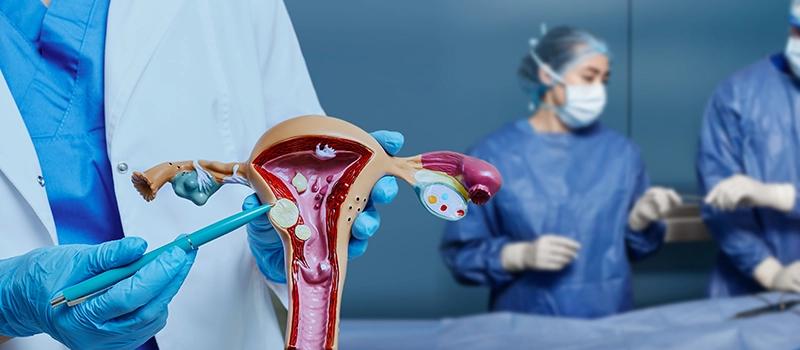
In the field of gynecology recent advances contribute to understanding of imaging technology, endoscopic equipment, drug treatment scientific innovations. Minimally invasive techniques such as laparoscopy and robotic surgery have significantly reduced recovery times, post-operative pain, and complications compared to traditional open surgeries. These approaches allow for smaller incisions, quicker healing, and shorter hospital stays of patients.
Advancements in imaging technology like ultrasound and MRI have improved preoperative planning and precision during surgeries. Emerging technologies such as single-port laparoscopy and natural orifice transluminal endoscopic surgery continue to push the boundaries of what is possible in gynecological surgery, promising even less invasive procedures with potentially faster recoveries and fewer complications in the future.
What are the Different Types of Robotic Procedures in Gynecology?
Primary advantages of robotic surgery in gynecology are its resourcefulness. Robotic surgery allows surgeons to do a wide a range of procedures with greater control and precision. It includes some common type of robotic surgery in gynecology include:
- Hysterectomy: It is one of the most common types of robotic technology performed for surgical removal of the uterus, this approach offers smaller incisions, reduced blood loss, and faster recovery times compared to traditional open surgery.
- Endometriosis Resection: Robotic surgery has revolutionized the treatment of endometriosis, a painful condition where uterine tissue grows outside the uterus. By allowing surgeons to precisely excise endometrial implants with minimal damage to surroundings tissues, robotic surgery offers improved outcomes and effective relief from symptoms. This advanced technique enhances surgical precision and recovery, making it a significant advancement in managing the complexity of endometriosis.
- Myomectomy: Robotic myomectomy offers a less invasive option for women experiencing symptomatic uterine fibroids compared to traditional open surgery. This technique uses robotic arms controlled by the surgeon to remove fibroids with enhances precision, while also preserving the structural integrity of the uterus. It represents a significant advancement in surgical care for uterine fibroids, providing patients with reduced recovery time and better patient clinical outcomes.
- Robotic Oophorectomy: It utilizes robotic-assisted techniques for the surgical removal of one of both ovaries. This approach provides several benefits including smaller incisions, decreased postoperative discomfort, and quicker recovery periods compared to conventional open surgery methods. It represents a significant advancement in gynecological surgery, offering patients a minimally invasive option with potentially improved outcomes.
- Robotic Sacro Colpopexy: It is minimally invasive procedure aimed at treating pelvic organ prolapse by rejoining the pelvic floor using mesh. With robotic-assisted techniques, surgeons can achieve precise placements of the mesh and sutures, ensuring durable support and enhances patient outcomes. This advanced approach represents a significant leap forward in gynecological surgery, offering a less invasive option that promotes effective long-term pelvic floor repair.
- Ovarian Cystectomy: This approach typically results in quicker recovery times with minimum scarring, making it a preferred option for patients requiring ovarian cyst removal.
What are Some Advantages of Minimally Invasive Surgery?
- Enhanced precision which offers superior dexterity and range of motion allowing surgeons to do surgery with greater accuracy.
- Minimally invasive robotic surgeries results in reduced trauma, less tissue damage, and less blood loss compared to traditional surgery which leads to faster recovery and decreased postoperative pain for patients.
- Robotic assisted surgery provides improved visualization with three-dimensional imaging of the surgical site and enabling precise dissection and suturing.
To know more about advancements in surgical procedures and techniques in gynecology, enrol in online OBGYN course which provides flexible learning and a wide range of topics.
This OBGYN online course crafted by Dr. Aswath Kumar has been conceptualized based on the NMC curriculum, it encourages students to concentrate and case approach-based learning.
Online video lectures on OBGYN provides comprehensive training in women’s reproductive health, offering insights into current practices and advancements in treatment/management.











Comments