
 By
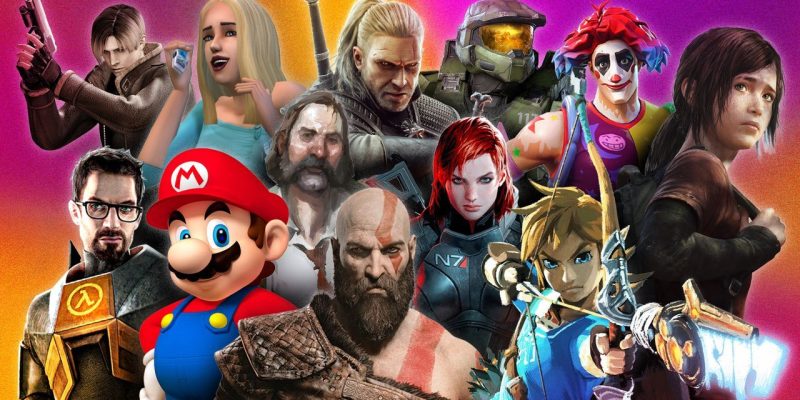
Games have been an essential part of human culture for centuries, providing entertainment, social connection, and cognitive stimulation. From traditional board games to modern video games and immersive online experiences, the gaming industry has evolved into a global phenomenon. Understanding games involves exploring their history, genres, platforms, social impact, and the latest technological innovations shaping the future of play.
The Evolution of Games
The history of games dates back thousands of years, with early examples such as Senet in ancient Egypt and the Royal Game of Ur in Mesopotamia. Traditional games like chess, Go, and card games have not only entertained generations but also developed critical thinking, strategy, and social skills.
With the invention of computers in the 20th century, digital games emerged. Early video games like Pong, Space Invaders, and Pac-Man revolutionized entertainment, leading to the establishment of a multi-billion-dollar gaming industry. Today, games span consoles, PCs, mobile devices, and cloud platforms, reflecting continuous innovation in graphics, gameplay mechanics, and interactive storytelling.
Types of Games
- Video Games
Video games are interactive digital experiences, categorized into various genres:- Action Games: Focus on reflexes, coordination, and fast-paced gameplay. Popular examples include platformers and first-person shooters.
- Role-Playing Games (RPGs): Emphasize narrative, character development, and strategic decision-making.
- Simulation Games: Include life simulation, city-building, and flight simulators, often replicating real-world scenarios.
- Puzzle Games: Challenge problem-solving skills and logic, such as Sudoku and Tetris-inspired games.
- Sports and Racing Games: Simulate athletic competitions, from soccer to car racing, blending realism and entertainment.
- Board Games
Board games are physical or tabletop games that require strategy, luck, and social interaction:- Classic Strategy Games: Chess, Go, and Checkers test long-term planning and tactical thinking.
- Modern Strategy Games: Settlers of Catan, Ticket to Ride, and Risk offer dynamic gameplay with competitive and cooperative elements.
- Party Games: Games like Pictionary and Charades encourage creativity, teamwork, and social bonding.
- Online and Mobile Games
Online and mobile gaming has transformed how people play and connect:- Massively Multiplayer Online Games (MMOs): Players interact in large virtual worlds, such as World of Warcraft or Fortnite.
- Mobile Games: Casual games like Candy Crush and Clash of Clans provide accessible, on-the-go entertainment.
- Esports: Competitive gaming with professional players, tournaments, and live streaming has become a global phenomenon.
Impact of Games on Society
Games influence society in multiple ways, from cognitive development to economic growth:
- Educational Value: Certain games enhance problem-solving, memory, and multitasking skills. Educational games combine learning with interactive fun.
- Social Connectivity: Multiplayer games foster teamwork, communication, and global friendships.
- Cultural Influence: Games often reflect and shape cultural narratives, art, and storytelling.
- Economic Impact: The gaming industry contributes billions in revenue globally, including game development, hardware sales, streaming platforms, and esports events.
Trends Shaping the Gaming Industry
- Virtual Reality (VR) and Augmented Reality (AR)
VR and AR create immersive experiences, allowing players to interact with 3D environments. Popular applications include VR adventure games, AR mobile games like Pokémon GO, and simulation-based training platforms. - Cloud Gaming
Cloud gaming platforms allow users to stream games without high-end hardware. Services like Google Stadia, NVIDIA GeForce Now, and Xbox Cloud Gaming make high-quality gaming accessible on various devices. - Cross-Platform Play
Cross-platform functionality enables players to interact across consoles, PCs, and mobile devices. This increases connectivity, competition, and community engagement. - Esports Growth
Competitive gaming has become mainstream, with professional leagues, sponsorships, and global tournaments. Games like League of Legends, Dota 2, and Counter-Strike dominate esports ecosystems. - Indie Game Development
Independent developers produce innovative games with unique mechanics, storytelling, and artistic design. Platforms like Steam, itch.io, and Epic Games Store support indie game distribution.
Challenges in the Gaming Industry
Despite rapid growth, the gaming industry faces several challenges:
- Addiction and Screen Time: Excessive gaming can affect mental health, sleep, and social life. Responsible gaming practices are essential.
- Toxicity and Harassment: Online multiplayer games sometimes involve harassment and toxic behavior. Platforms are implementing moderation and reporting tools.
- Piracy and Copyright Issues: Intellectual property protection remains a significant concern.
- Accessibility and Inclusion: Ensuring games are accessible to players with disabilities and diverse backgrounds requires ongoing effort.
- Economic Barriers: High-end gaming hardware and subscription costs can limit access for some players.
Strategies for Enjoyable and Responsible Gaming
- Time Management: Allocate specific periods for gaming to balance leisure, work, and social life.
- Parental Guidance: Parents should monitor and guide children’s gaming activities, ensuring age-appropriate content.
- Community Engagement: Participate in supportive and constructive gaming communities.
- Diverse Gaming Experiences: Explore various game genres to develop different cognitive skills and maintain interest.
- Physical and Mental Health: Include breaks, exercise, and social interaction alongside gaming sessions.
The Future of Games
The future of gaming will likely focus on innovation, accessibility, and interactive storytelling:
- AI Integration: Artificial intelligence enhances adaptive gameplay, procedural content generation, and NPC behavior.
- Immersive Experiences: VR, AR, and mixed reality will create increasingly realistic and engaging worlds.
- Educational Games: Gamification of learning will expand, combining cognitive skill-building with entertainment.
- Global Collaboration: Cross-cultural gaming and social platforms will foster inclusive, global gaming communities.
- Sustainability in Gaming: Energy-efficient hardware and eco-friendly game production are becoming more prevalent.
FAQs About Games
1. What types of games are most popular worldwide?
Popular games include action, role-playing, puzzle, sports, and multiplayer online games, with genres evolving according to trends and technology.
2. How do games benefit cognitive development?
Games enhance problem-solving, strategic thinking, memory, multitasking, and hand-eye coordination, depending on the genre.
3. What is esports, and why is it growing?
Esports is professional competitive gaming. It grows due to large tournaments, sponsorships, streaming platforms, and global audience engagement.
4. How can parents ensure safe gaming for children?
Parents should monitor content, set time limits, use parental controls, and encourage age-appropriate games.
5. What role does technology play in modern gaming?
Technology enables immersive experiences (VR/AR), cloud gaming, cross-platform play, AI-driven gameplay, and real-time multiplayer interaction.
6. Are there health concerns associated with gaming?
Excessive gaming can lead to eye strain, sedentary lifestyle issues, sleep disruption, and, in rare cases, gaming addiction. Balanced practices mitigate risks.
7. How do indie games differ from mainstream titles?
Indie games are often developed by small teams, focusing on creativity, unique mechanics, storytelling, and artistic design, while mainstream titles prioritize large-scale production and mass-market appeal.
Games are an integral part of modern culture, blending entertainment, technology, and social interaction. Understanding their history, variety, and impact helps players enjoy gaming responsibly while embracing innovation, global connectivity, and the evolving future of interactive play.








Comments