
 By
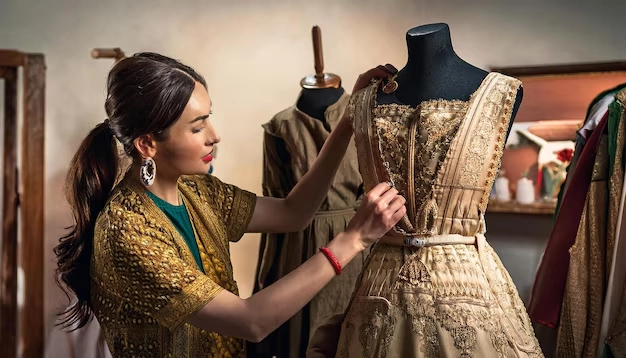
Fashion is more than clothing; it is a dynamic form of self-expression, cultural reflection, and economic influence. From haute couture runways in Paris to streetwear in global urban centers, fashion encompasses artistry, innovation, and social trends. Modern fashion blends aesthetics, sustainability, technology, and consumer engagement, creating an industry that shapes and responds to global culture.
The Evolution of Fashion
Fashion has a rich history, reflecting the values, beliefs, and technologies of societies. In ancient civilizations, clothing signified status, occupation, and cultural identity. For example, elaborate garments in Ancient Egypt denoted royalty, while Greek and Roman attire reflected social roles and artistic expression.
The Industrial Revolution transformed fashion by introducing mass production, making stylish clothing accessible to broader populations. The 20th century saw the rise of iconic designers, fashion houses, and global trends, including the emergence of ready-to-wear collections and fast fashion. Today, fashion is both an art form and a multi-billion-dollar industry, continuously adapting to cultural, technological, and environmental changes.
Key Fashion Segments
- Haute Couture and Luxury Fashion
Haute couture represents the pinnacle of fashion craftsmanship. Designers create custom-made garments with meticulous attention to detail, often using luxurious materials. Luxury brands like Chanel, Gucci, and Dior continue to dominate global fashion, blending tradition with innovation.Trends in luxury fashion include:- Sustainable Materials: Brands are increasingly using eco-friendly fabrics and processes.
- Limited Editions: Exclusive collections create a sense of scarcity and prestige.
- Digital Fashion Shows: Virtual presentations expand audience reach and engagement.
- Streetwear and Urban Fashion
Streetwear has emerged as a dominant force in contemporary fashion, influenced by music, sports, and youth culture. It combines comfort, creativity, and social commentary, often blurring the line between casual wear and high fashion.Notable aspects of streetwear:- Collaboration with Luxury Brands: Partnerships between streetwear labels and haute couture brands create unique collections.
- Sneaker Culture: Collectible and limited-edition sneakers drive trends and consumer loyalty.
- Social Media Influence: Platforms like Instagram and TikTok shape global streetwear trends.
- Sustainable and Ethical Fashion
Environmental concerns have given rise to sustainable fashion, emphasizing eco-friendly production, ethical labor practices, and circular economies. Brands adopt strategies such as:- Recycled and Organic Materials: Fabrics sourced responsibly to reduce environmental impact.
- Slow Fashion Movement: Encouraging thoughtful consumption and high-quality garments.
- Transparency: Providing consumers with insights into sourcing and production practices.
- Fast Fashion
Fast fashion brands, such as Zara and H&M, offer affordable, trend-driven clothing quickly to market. While fast fashion provides accessibility, it faces criticism for environmental and labor concerns. Many brands are now attempting to incorporate sustainable practices without compromising speed and affordability.
The Role of Technology in Fashion
Technology is transforming the way fashion is designed, produced, and consumed:
- 3D Printing and Smart Textiles: Designers can create complex designs, wearable technology, and adaptive clothing.
- Virtual Fitting Rooms: Augmented reality allows consumers to try on clothing digitally.
- Artificial Intelligence (AI): AI predicts trends, personalizes recommendations, and streamlines inventory management.
- Blockchain: Enhances transparency in supply chains and authenticates luxury products.
Fashion Marketing and Consumer Engagement
Fashion marketing has evolved from traditional print media to digital-first strategies. Brands leverage social media, influencer collaborations, and content marketing to reach audiences globally. Key strategies include:
- Influencer Partnerships: Collaborating with fashion influencers to increase brand visibility.
- User-Generated Content: Encouraging consumers to share personal style, enhancing engagement.
- Experiential Marketing: Pop-up stores, interactive campaigns, and live events create memorable experiences.
Global Fashion Hubs
Certain cities and regions have become epicenters of fashion, influencing trends worldwide:
- Paris: Known for haute couture, luxury brands, and fashion weeks that set global trends.
- Milan: A hub for Italian fashion, craftsmanship, and iconic designers.
- New York: Recognized for diverse styles, streetwear influence, and commercial fashion.
- Tokyo: A center for avant-garde fashion, streetwear culture, and experimental designs.
- London: Blends heritage, innovation, and subcultural fashion movements.
Challenges in the Fashion Industry
Despite growth, the fashion industry faces significant challenges:
- Environmental Impact: Textile production contributes to pollution and waste.
- Labor Practices: Ensuring fair wages and working conditions remains a concern.
- Market Saturation: Brands must differentiate themselves in a highly competitive market.
- Rapid Trend Cycles: Fast-changing trends increase production pressure and consumer demand.
Strategies for Innovation and Sustainability
- Adopting Circular Fashion Models: Recycling, resale platforms, and rental services reduce environmental impact.
- Investing in Ethical Sourcing: Brands that prioritize fair labor and sustainable materials gain consumer trust.
- Leveraging Technology: AI, AR, and digital marketing improve customer experiences and operational efficiency.
- Collaborative Designs: Partnerships between brands, artists, and communities create unique, marketable products.
- Education and Awareness: Promoting sustainable practices among consumers drives long-term change.
The Future of Fashion
Fashion will continue to evolve at the intersection of creativity, technology, and sustainability. Emerging trends suggest:
- Increased personalization through AI and custom-fit clothing.
- Greater adoption of digital fashion, including virtual garments and metaverse experiences.
- Growth of sustainable fashion, driven by consumer awareness and regulatory policies.
- Expansion of inclusive fashion, representing diverse body types, genders, and cultures.
- Blending of fashion and technology, creating functional, adaptive, and innovative designs.
FAQs About Fashion
1. What is the significance of sustainable fashion?
Sustainable fashion minimizes environmental impact, promotes ethical labor practices, and encourages conscious consumer choices.
2. How is technology transforming the fashion industry?
Technology enables digital design, virtual fitting rooms, AI trend analysis, and enhanced marketing, improving efficiency and consumer experience.
3. What role does streetwear play in modern fashion?
Streetwear influences global trends by combining casual style with cultural expression, often collaborating with luxury brands.
4. How do fashion brands engage with consumers today?
Brands use social media, influencer partnerships, experiential marketing, and user-generated content to connect with audiences and build loyalty.
5. What challenges does the fashion industry face regarding labor and production?
Labor exploitation, unsafe working conditions, and pressure from fast fashion are ongoing concerns, prompting ethical sourcing initiatives.
6. How are luxury fashion brands adapting to modern trends?
Luxury brands focus on sustainability, digital innovation, limited editions, and virtual experiences to remain relevant and exclusive.
7. What is the future of digital fashion?
Digital fashion, including virtual clothing and metaverse wearables, allows consumers to express style online, creating new markets and reducing physical production.
Fashion is an ever-changing reflection of culture, technology, and personal identity. By embracing innovation, sustainability, and inclusivity, the industry continues to inspire creativity, influence lifestyles, and shape global trends. Whether through luxury couture, streetwear, or digital fashion, the world of style offers endless opportunities for expression, connection, and evolution.






Comments